

I ❤️ NY” Saved a City: Lessons in Branding and Emotion

Picture New York City in the late 1970s.
Not the buzzing, cinematic skyline we know today—but a city gasping for hope.. The city was bankrupt, crime rates were high, tourism was tanking, and New York’s reputation was sinking fast.
City officials knew they needed more than just another advertisement; they needed a spark of hope—something that could heal a reputation and restore belief.
And that lifeline began with a doodle.
🚕 The Taxi Ride That Rebranded a City
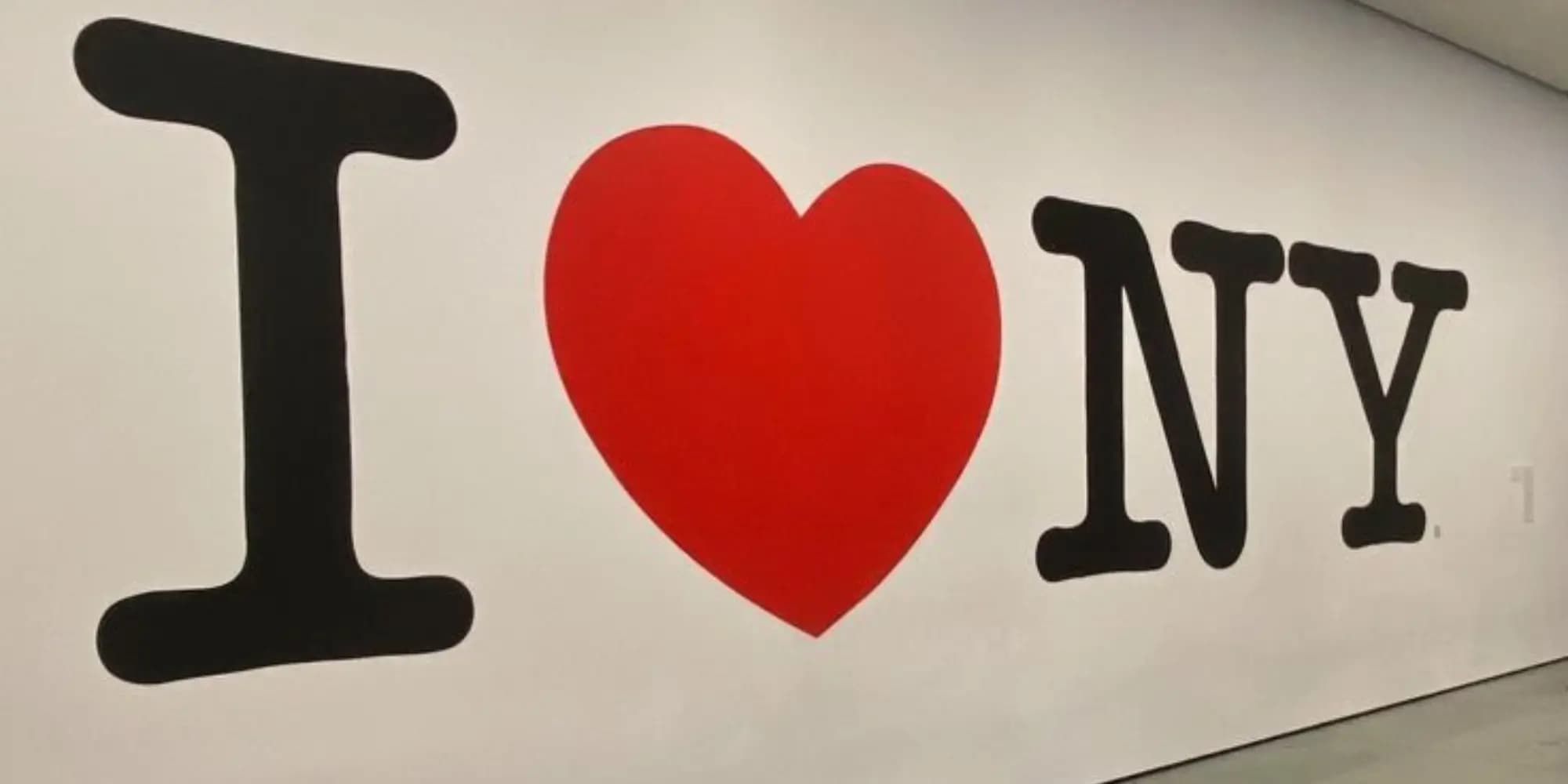
Designer Milton Glaser didn’t sit in a boardroom to create one of the world’s most iconic logos. He was in the back of a yellow cab when inspiration struck.
On a scrap of paper, he scribbled four simple characters: I ❤️ NY.
No tagline. No slogan. No marketing brief. Just emotion, distilled.
A sketch so simple anyone could redraw it on a napkin.
What started as a six-month tourism experiment turned into one of the most recognizable logos in the world.
👉 This is why, at Heigh10, we often remind clients: you don’t need complexity to build a lasting brand—you need clarity and heart.
📈 The Ripple Effect: From Campaign to Cultural Movement
The impact was instant—and seismic:
- Tourism shot up within a year.
- By the 1980s, millions of visitors poured into New York, boosting its economy.
- The logo became incredibly popular, appearing on T-shirts, mugs, posters, and billboards.
What started as a tourism campaign became New York’s identity—a love letter turned symbol of pride.
It was also one of the earliest examples of brand culture—when design transcends recognition and becomes a shared emotional experience.
🔑 Why It Worked: The Genius Behind the Simplicity
The brilliance wasn’t in its design perfection, but was in what it made people feel.:
- Simplicity sells. Anyone could understand it—and more importantly, remember it. That’s when you know a brand has entered culture.
- Emotion > information. It didn’t say “Book a trip.” It said, “This city is lovable.” That emotional connection created action without instructions.
- Longevity. Over 40 years later, the logo still feels current. It remains one of the most recognizable designs in the world.
At Heigh10, we know the strongest brands don’t just describe—they connect. They embed themselves in memory by sparking feelings, not just recognition.
🕰️ A Logo Becomes Resilience
After 9/11, New York’s spirit was tested again.
The logo was reborn as:
I ❤️ NY More Than Ever
The heart carried a small bruise—a subtle symbol of grief and endurance.
It wasn’t marketing anymore; it was solidarity.
A city once again found comfort in a doodle.
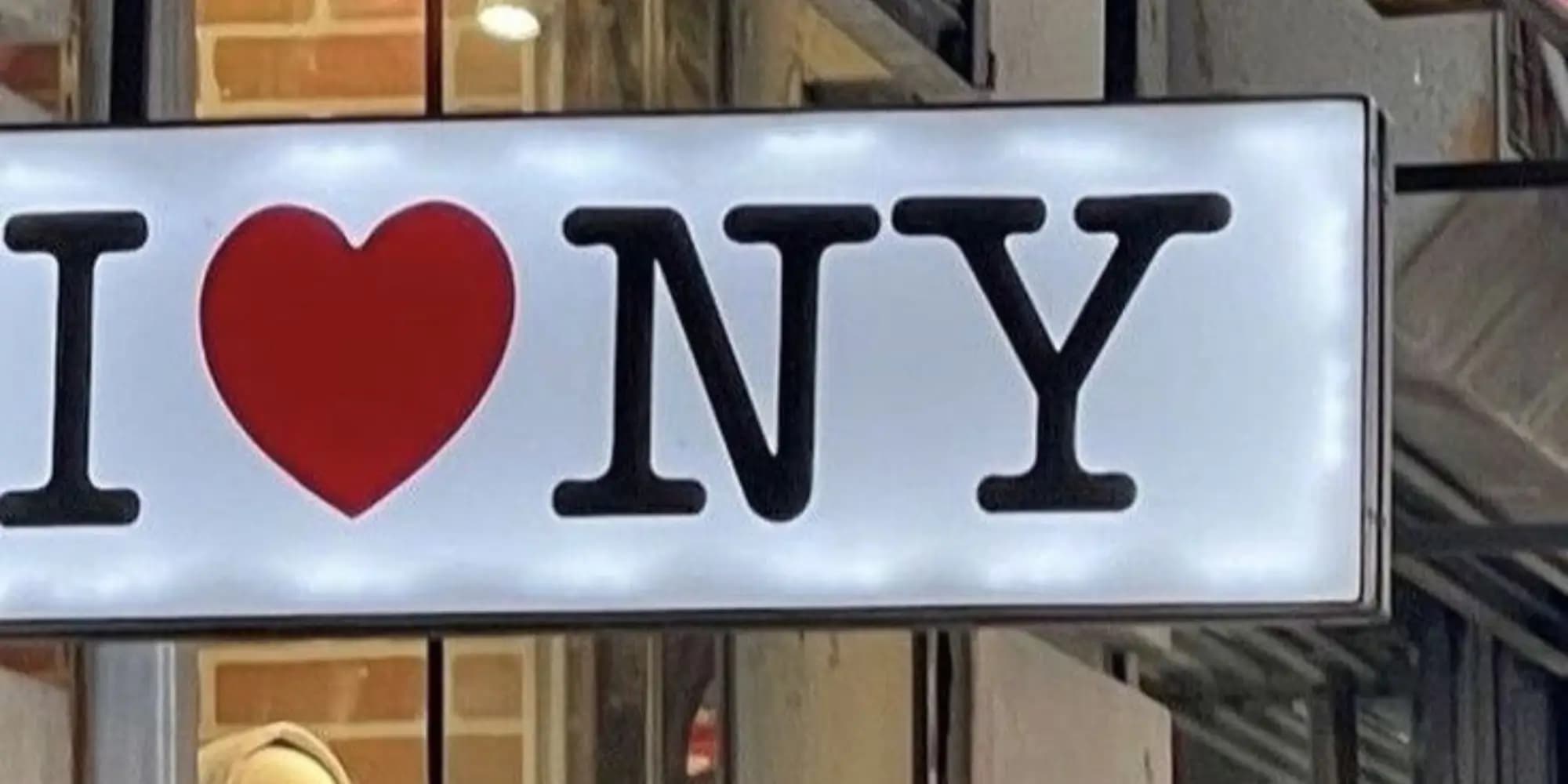
Few logos in history have been able to evolve from a tourism tool to a global rallying cry.
🌍 The Legacy Lives On
Decades later, the logo has been parodied, copied, and adapted by brands and cities around the world. You’ve seen “I ❤️ LA,” “I ❤️ London,” “I ❤️ Pizza,” and countless others.
But none carry the same emotional gravity. Why? Because the original wasn’t designed for cleverness—it was born from crisis, culture, and authenticity.
It wasn’t built in a marketing meeting. It was born out of urgency, and it carried the heartbeat of a city that refused to give up.
🤔 What Brands Can Learn
If you’re building or refreshing your brand identity, ask yourself:
- Could your logo be sketched from memory in five seconds?
- Does your branding spark emotion—or does it just describe what you sell?
- Are you creating for today—or for decades from now?
At Heigh10, we help brands distill complexity—the emotional core that turns campaigns into culture. Whether it’s brand identity, digital strategy, or marketing execution, the goal is the same—build stories that endure.
❤️ The Takeaway: Love Is a Strategy
The “I ❤️ NY” story proves that sometimes the most powerful marketing isn’t complicated. It’s not about endless taglines or overproduced visuals. It’s about clarity, culture, and emotional truth.
That’s what saved New York. And that’s what can set your brand apart.
At Heigh10, we help businesses uncover that clarity—the doodle that turns into a movement. Because sometimes, the thing that saves a brand isn’t another campaign. It’s a heartbeat.
