
The Shrinkflation Secret: Why Hershey's Bar Never Seems Expensive

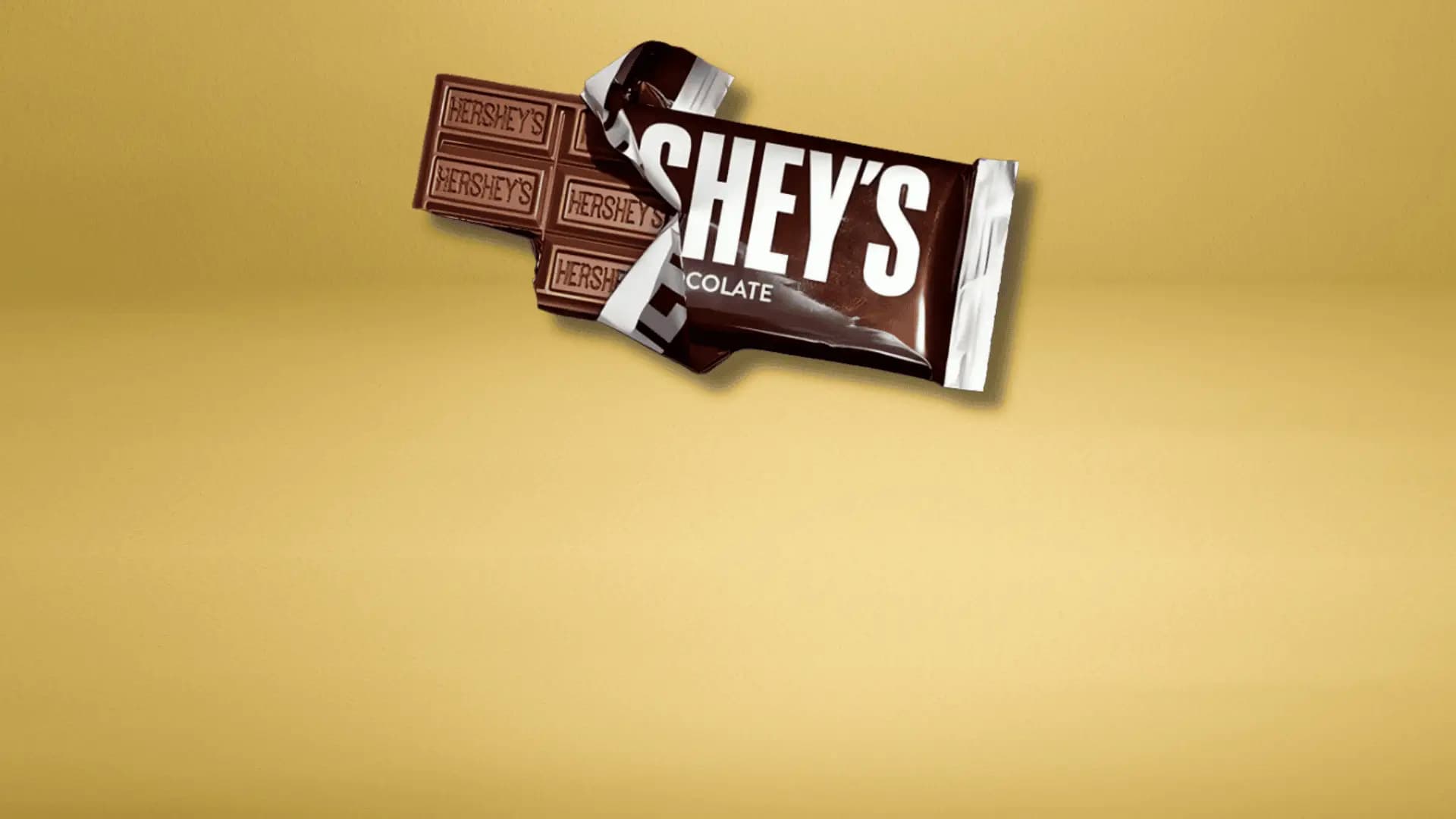
Think back for a second. Do you remember unwrapping a Hershey’s bar as a child? The crinkle of the foil, the rich aroma of milk chocolate, and the simple joy of enjoying a treat that felt both affordable and familiar.
Here’s the thing: Hershey’s has worked hard to protect that feeling.
While the price on the shelf hasn’t skyrocketed as you might expect after 50 years of inflation, the reality is that you have been paying more all along.
This phenomenon is known as shrinkflation—and Hershey’s has been quietly perfecting it.
The Numbers Behind the Wrapper
Let’s rewind to the 1970s.
- 1970s: A Hershey’s bar weighed 2 ounces (57 g). Cost? Just a few cents.
- 1980s–2000s: Reduced to 1.6 oz (45 g).
- Today: Just 1.55 oz (43 g).
The clever part? The price tag didn’t shoot up all at once. Instead, the bar got smaller. So, while your wallet may not have felt the pinch at checkout, the real cost per ounce has significantly ballooned.
Here’s the proof:
- In 1980, a Hershey’s bar cost ~25¢ → about 12¢ per ounce.
- In 2025, it’s ~$1.50 → about 97¢ per ounce.
That’s an 8x increase in cost per ounce. But to most of us, it feels like, “Oh, the bar only went up by a dollar or so.”
The Psychology of Shrinkflation
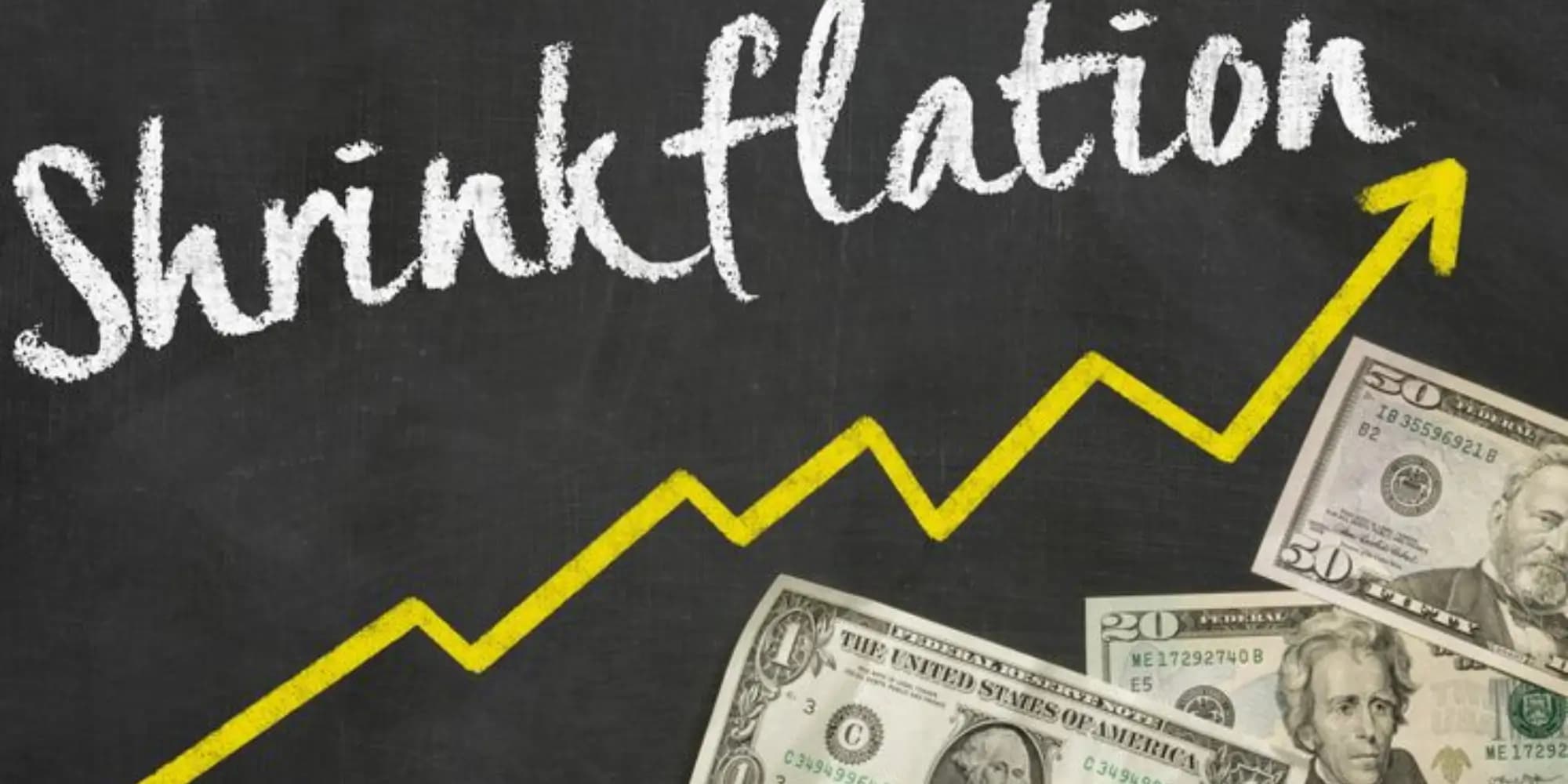
This isn’t just about chocolate. It’s about anchoring.
We, as customers, cling to price points. For example, we remember: “Hershey’s bars are around a buck.” If the company suddenly charged $2.50, outrage would follow.
So, instead, companies protect that “anchor price” while quietly trimming the product. You still see the familiar Hershey’s logo. You still see the familiar Hershey’s logo and pay what feels like a reasonable amount. However, in reality, you are getting less chocolate over time.
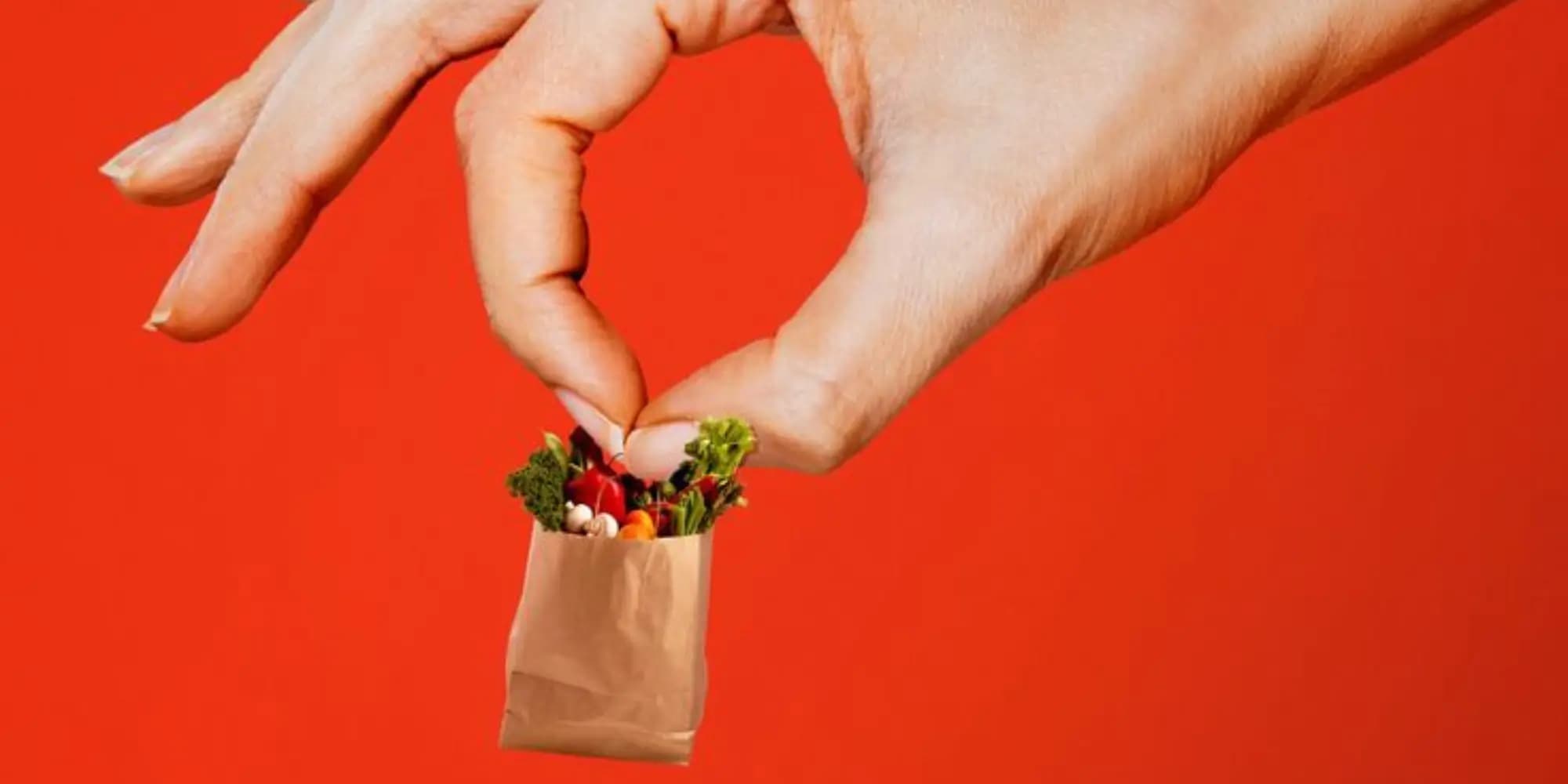
Shrinkflation is the invisible price hike hiding in plain sight — like a magician’s sleight of hand. The packaging, branding, and price all remain the same. What disappears is the product itself, ounce by ounce, sip by sip, bite by bite.
More Dramatic Examples That Sting
Some reductions have been subtle... others not so much:
- 🧃 Minute Maid Orange Juice: Once 64 oz, now down to 52 oz in some markets.
- 🍪 Chips Ahoy! Cookies: Standard packs shrank from 16 oz → 13 oz, losing almost 15 cookies.
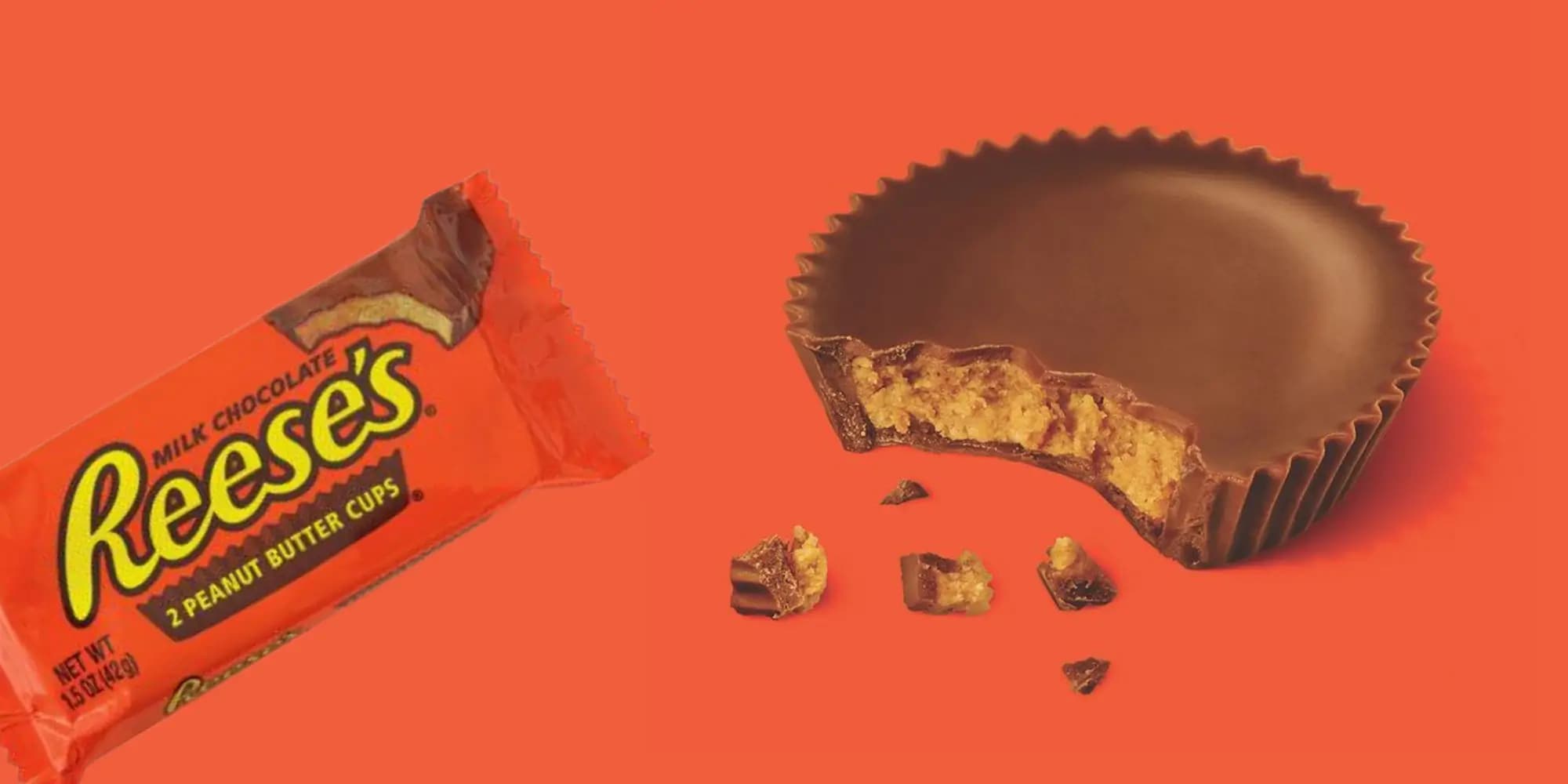
- 🍫 Reese’s Cups Multipack: Once 8 cups, now just 6.
- 🧻 Bounty Paper Towels: “Mega Rolls” trimmed from 98 sheets → 90 sheets.
- 🥔 Lay’s Family Bag: 16 oz → 13 oz.
When Consumers Fight Back
Shrinkflation usually slips under the radar — but not always.
- In 2016, Toblerone cut the size of its bars in the U.K. by adding awkward gaps between its famous chocolate peaks. Social media dubbed it “the Brexit bar,” leading to a flurry of memes worldwide.
- In 2022, Doritos openly admitted that their bags shrank from 9.75 oz to 9.25 oz “to keep the same price.”Customers quickly mocked the move online, with some joking they would start counting chips.
- Häagen-Dazs faced backlash, including lawsuits, when consumers discovered that their “pints” were no longer actually a pint.
These instances show that customers do notice shrinkflation, and when they do, it can create a stronger emotional response than the price increase itself.
Shrinkflation Without Borders 🌍
Shrinkflation isn’t just a trend among American brands; it’s happening globally. Here are some examples:
- 🇬🇧 Cadbury Dairy Milk: Bars that once weighed 200g, now slimmed to 180g.
- 🇦🇺 Tim Tams: Beloved Aussie biscuits shrank from 11 cookies → 9 per pack.
- 🇨🇦 Gatorade: Bottles have been downsized from 591 mL → 500 mL.
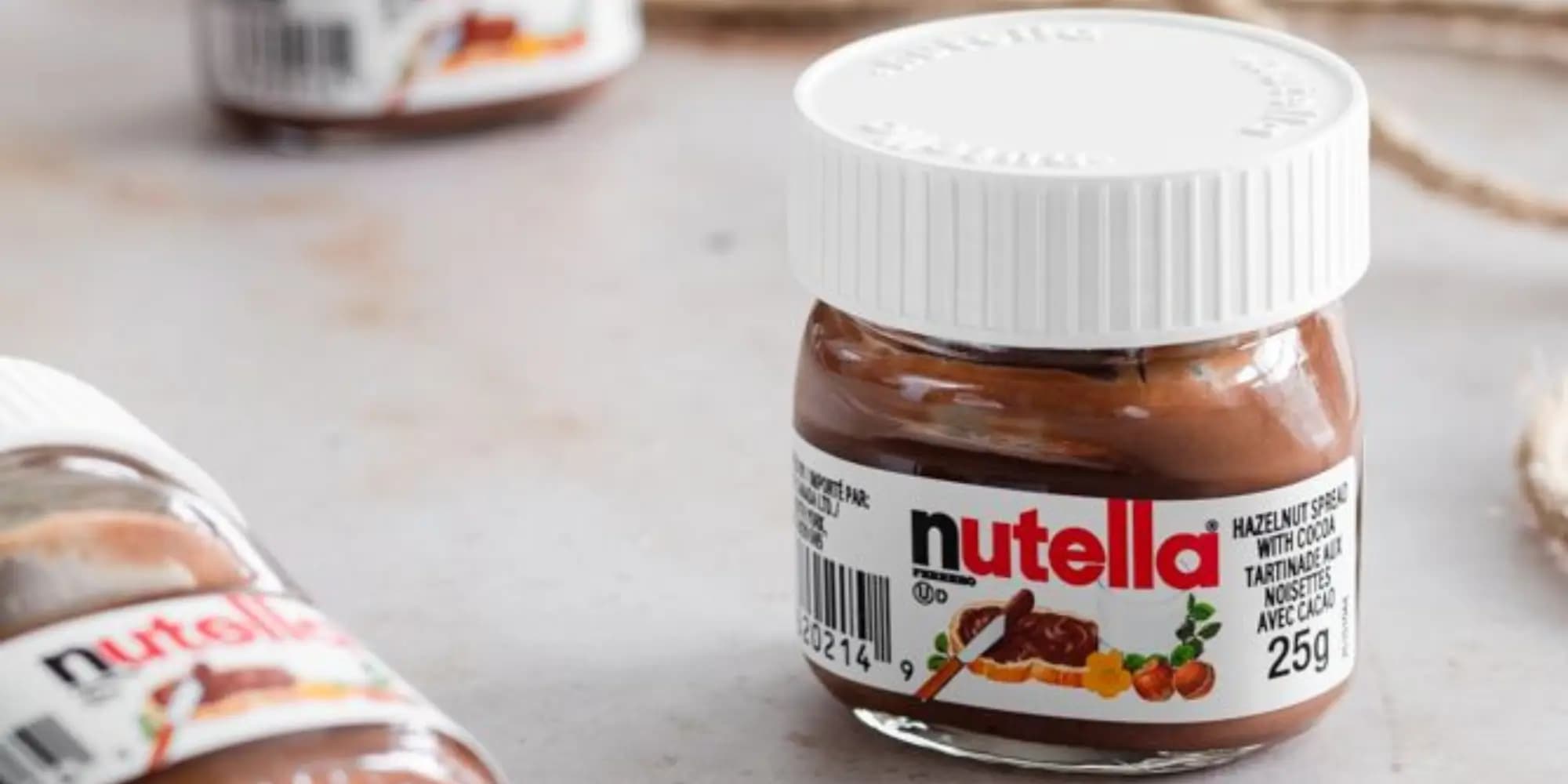
- 🇫🇷 Nutella: Popular jars slimmed from 750g → 650g, sparking outrage across Europe.
Why This Works (And Why It Stings)
The emotional aspect is key: we don’t just purchase food; we buy comfort, nostalgia, and trust.
Hershey’s knows their bar isn’t just a treat — it’s childhood memories, lunchbox goodies, and Friday night movie snacks. If they raised prices too aggressively, that trust would crack.
Shrinkflation is subtle enough to keep us buying without breaking the emotional bond. Psychologists refer to this as the “just noticeable difference.” If sizes are reduced gradually, most customers won’t realize it until years later. By that time, brands have already pocketed years of additional profit.
The Bigger Picture for Brands
At Heigh10, we see shrinkflation as more than a pricing tactic—it’s a storytelling choice.
Do you:
- Protect affordability by adjusting size?
- Stay transparent and risk sticker shock?
- Or find creative ways to add value so customers don’t feel shortchanged?
Shrinkflation may be effective, but it’s a delicate balance. Customers are savvier than ever. If they feel tricked, loyalty cracks faster than a chocolate bar in winter.
The Sweet Takeaway

So the next time you unwrap a Hershey’s bar, remember this:
The price may not have skyrocketed, but you are definitely getting less chocolate than you used to.
And that’s the bittersweet genius of shrinkflation.
Shrinkflation is a silent strategy — so subtle that most people don’t recognize the impact until it’s pointed out. Once they do, the trust gap widens.
For marketers, the lesson is clear: perception buys time, but transparency builds loyalty.
At Heigh10, we help brands think about strategies like these—how pricing, perception, and psychology intertwine. Because ultimately, marketing isn’t just about what you sell; it’s about how people feel when they buy it.
