
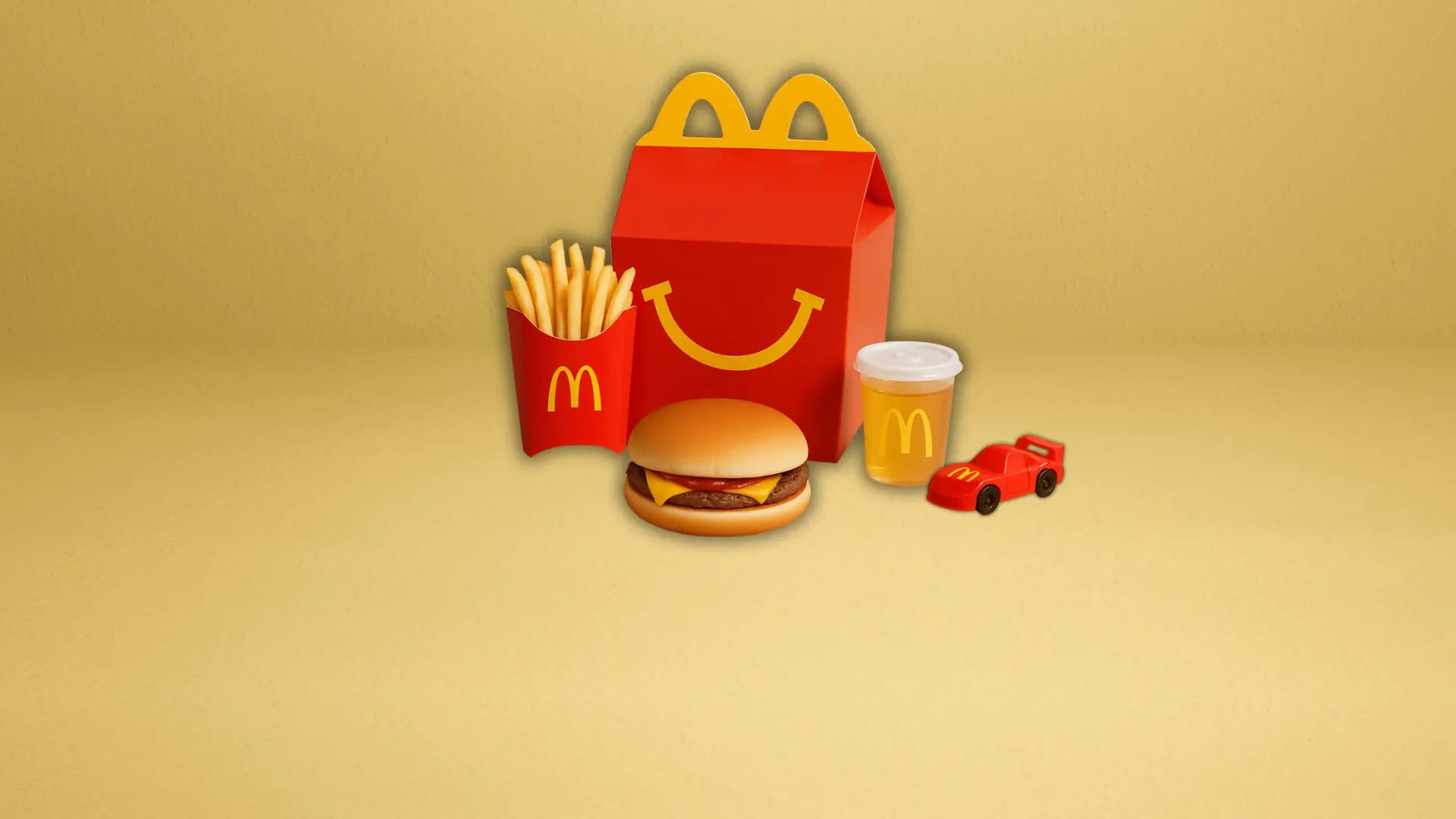
Marketing Wrapped in a Cardboard Box
Let’s play a little guessing game.
If I asked you, “Who sells the most toys in the world?”—what’s the first brand that pops into your head?
LEGO?
Maybe Hasbro?
Mattel?
Totally fair guesses. They’ve been the giants of the toy world for decades.
But here’s the twist most people never see coming:
🍔 It’s McDonald’s.
Yep. The same McDonald’s with the golden arches, fries, and burgers.
🧠 Let That Sink In
I know it sounds almost unbelievable.
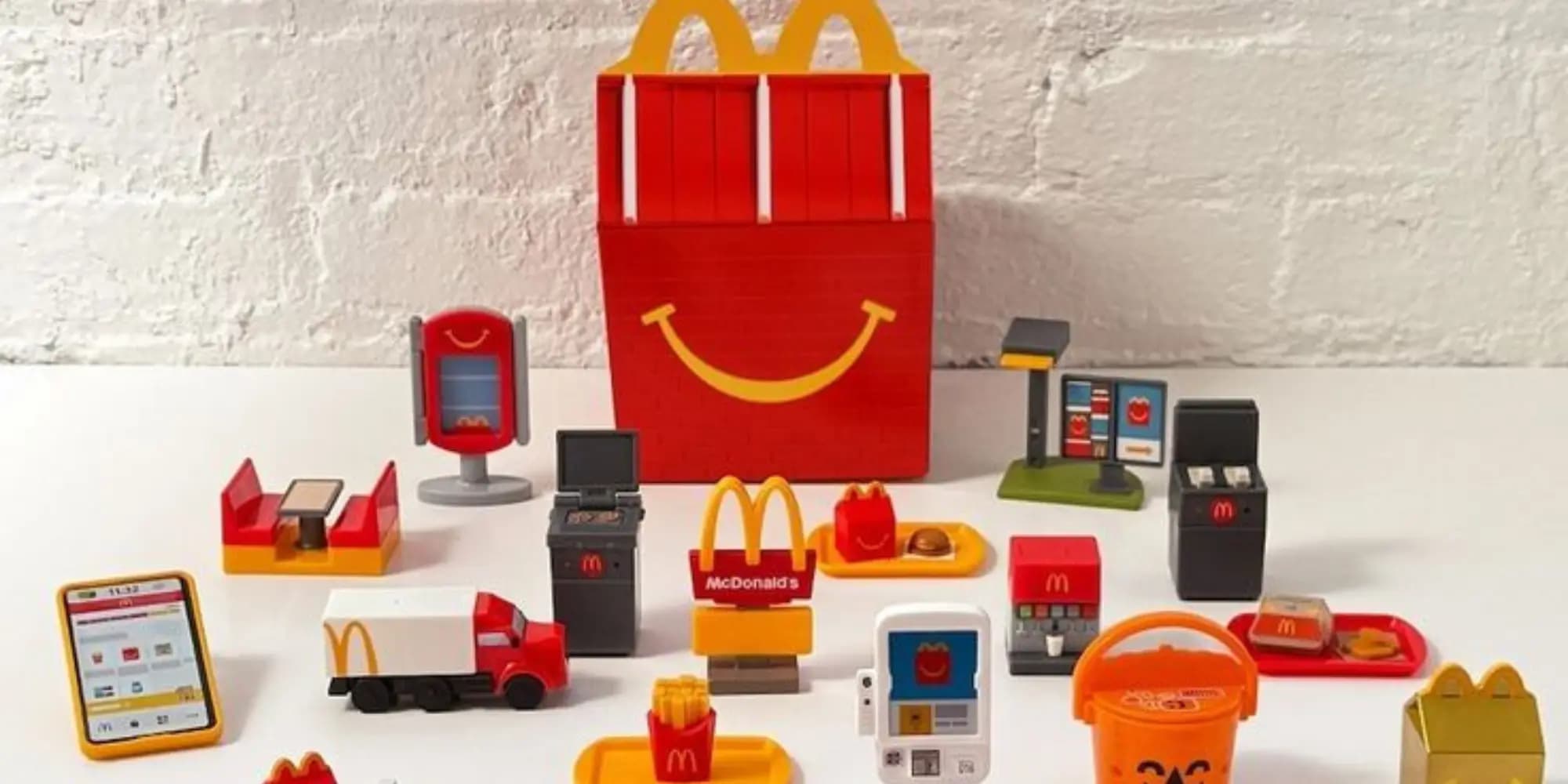
But McDonald’s distributes over 1 billion toys every single year through its Happy Meal program.
Think about that for a second:
More toys than LEGO, Hasbro, and Mattel—combined.
Nearly 20% of all toys sold globally are handed out in a little red box with a smiley face.
And the kicker? This all started back in 1979 with one simple idea:
What if lunch could feel like a mini celebration?
❓ How Did a Burger Chain Outsell the Toy Giants?
This is where it gets really interesting.
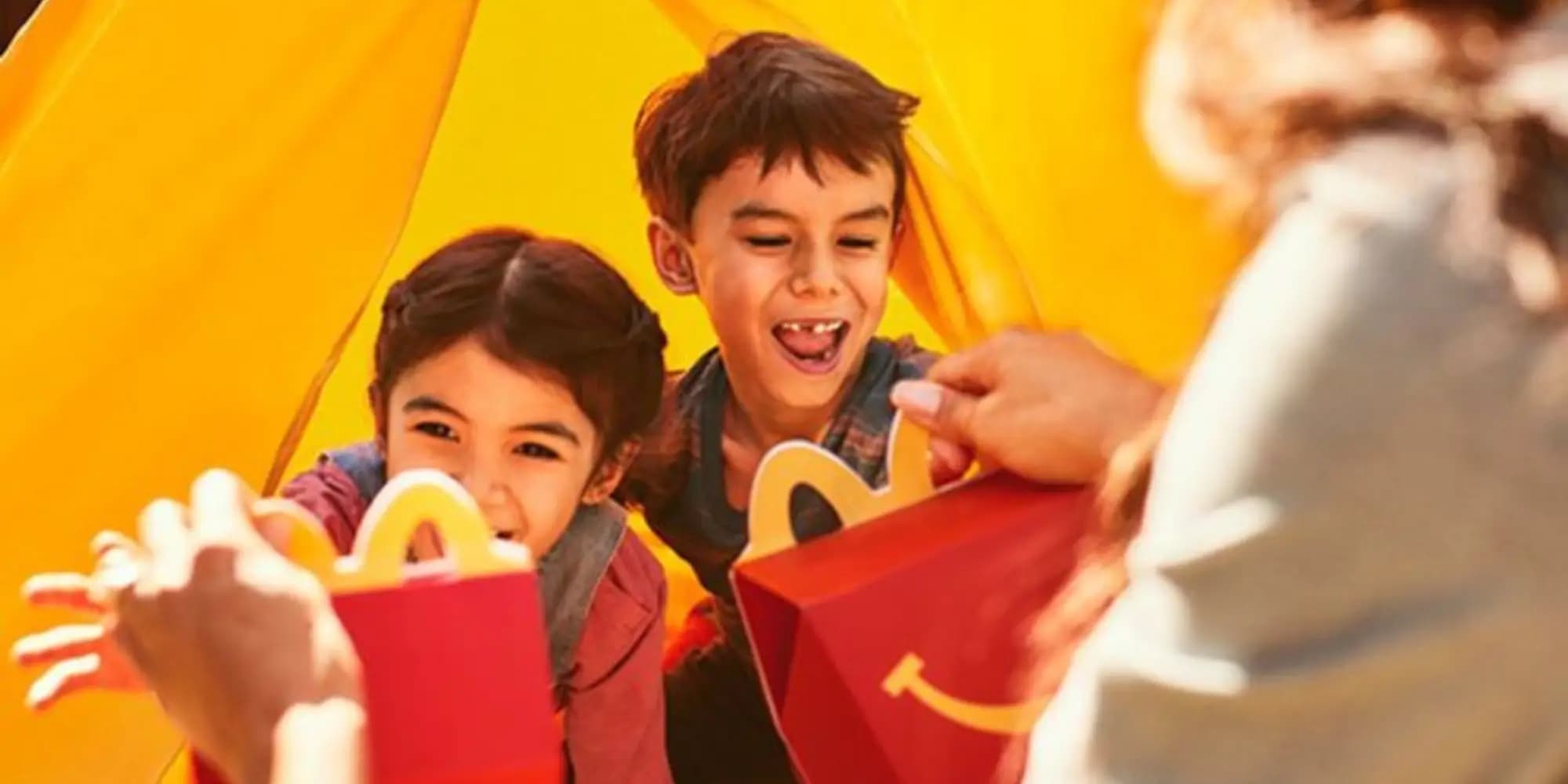
McDonald’s didn’t just “give away” toys as a side perk.
They designed a ritual that kids—and honestly, their parents—couldn’t resist.
Here’s how it worked:
1. Emotional Hook
A Happy Meal was never just a cheeseburger.
It was a moment of joy that kids could count on.
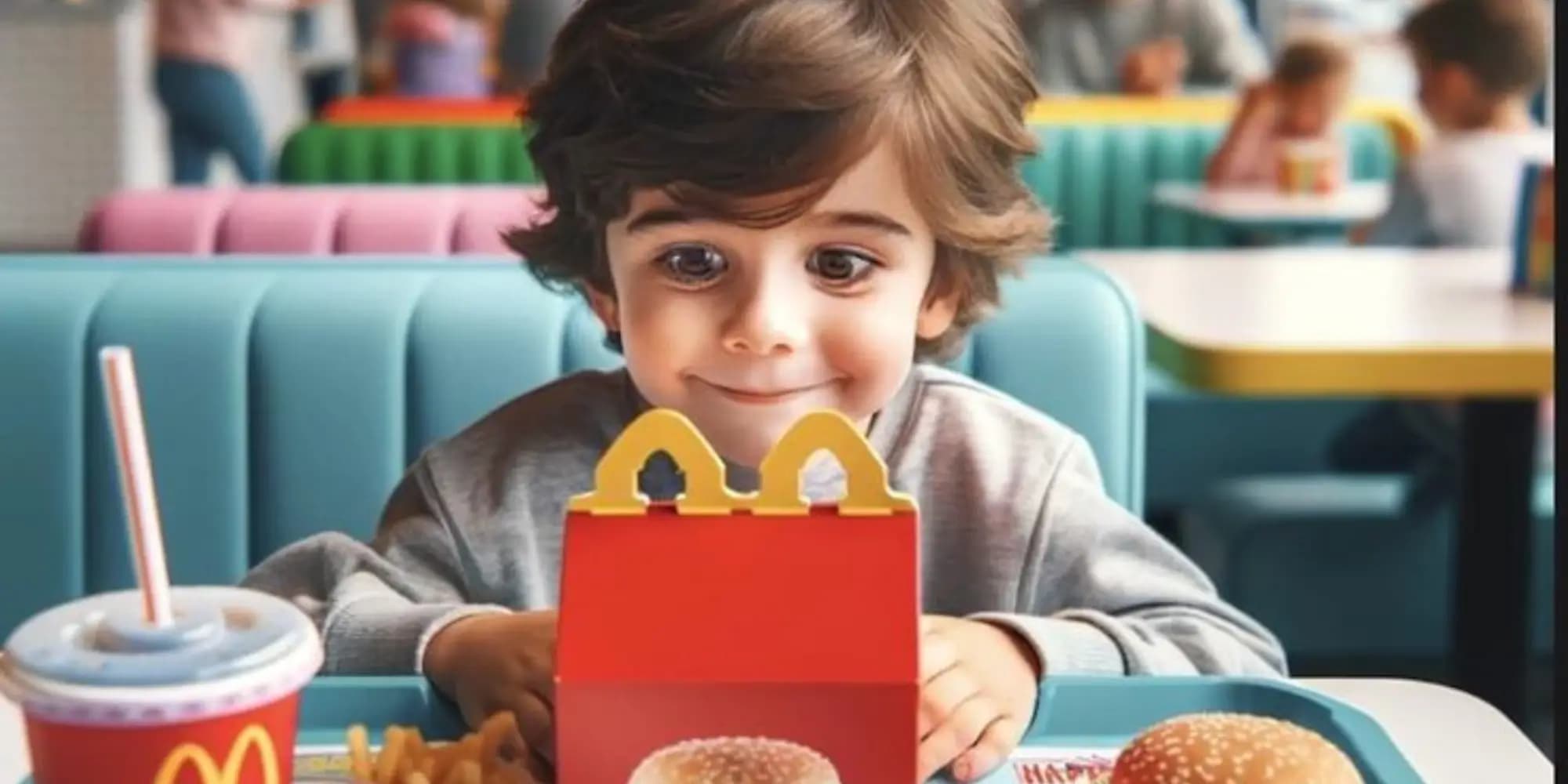
Imagine being six years old and opening that box—wondering which toy you’d get this time.
The food was almost secondary. The toy was the star.
2. Built-in Collectibility
One toy? Cute.
But a whole set of five or six? That’s an obsession.
McDonald’s turned simple plastic figures into collectible treasures.
Kids had to come back—again and again—so they wouldn’t miss the next piece of the set.
Parents? Well, they were basically drafted into the mission.
3. Time-Boxed Urgency
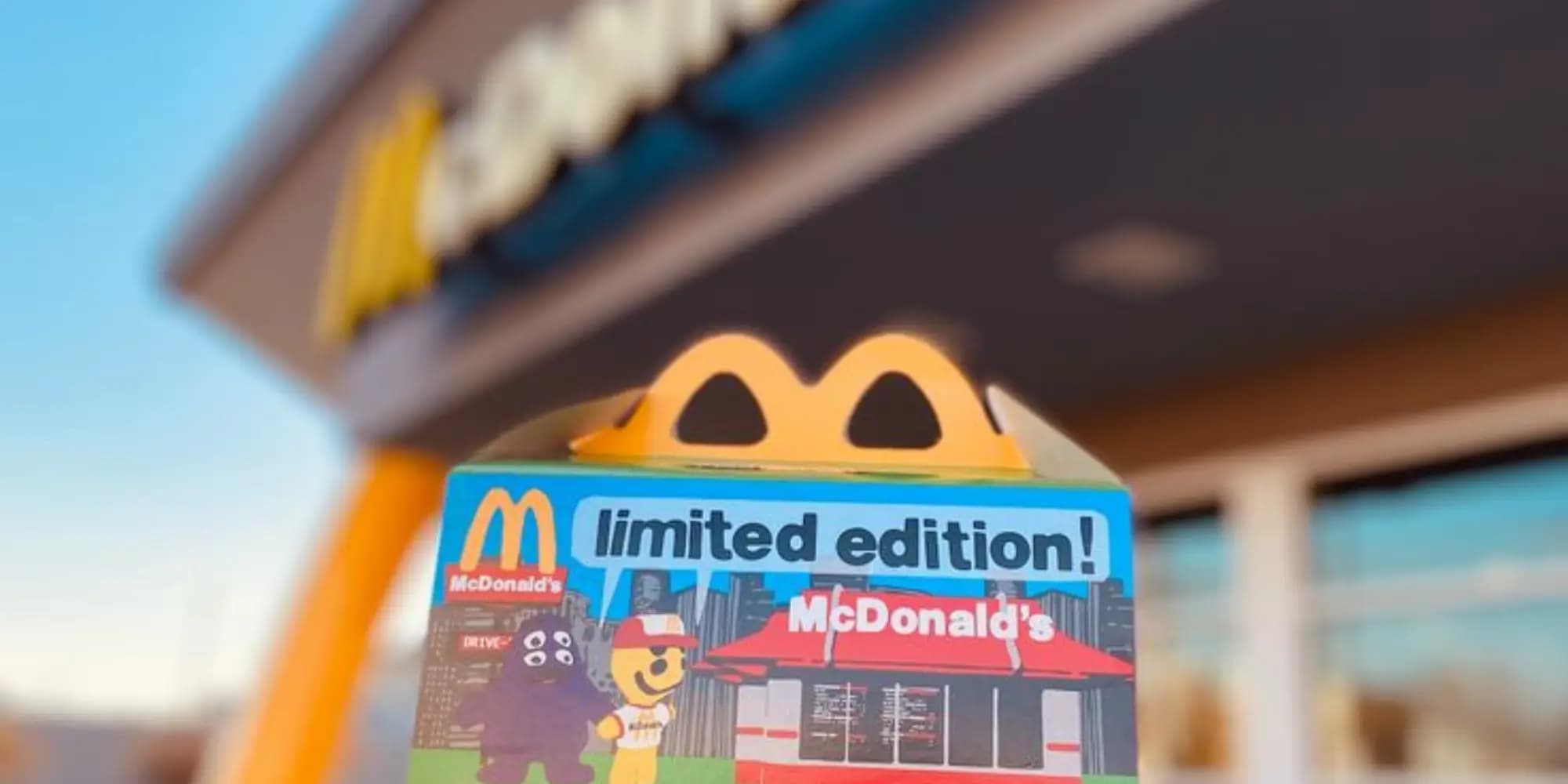
“Limited time only.”
Those three words created a sense of urgency no traditional toy store could replicate.
If you didn’t go this week, you might never get that toy again.
That scarcity was no accident—it was the genius behind the entire model.
4. Tied to Pop Culture
Here’s another smart move: McDonald’s knew how to ride the cultural wave.
Disney, Pokémon, Marvel, Star Wars—if it was on kids’ minds, it was in the Happy Meal box.
They weren’t just selling toys.
They were selling a piece of whatever movie or TV show every kid was obsessed with.
5. Marketing Brilliance
Put all of this together, and you see the brilliance:
McDonald’s didn’t position the toy as an extra.
It was the reason to visit.
They turned a $3 meal into something kids looked forward to all week—and adults still remember decades later.
The Numbers Tell the Story
These aren’t just clever tactics—they produced staggering results:
- 🌍 Happy Meals are sold in over 100 countries.
- 💵 Annual Happy Meal revenue is estimated between $10–12 billion.
- 🎬 In 1997, the Ty Beanie Babies campaign boosted U.S. sales by 40%.
- 🔗 McDonald’s has forged 75+ partnerships with the world’s biggest entertainment brands.
This wasn’t just a campaign.
It was a business model that redefined how toys reached consumers.
🤔 Ask Yourself
Why did millions of kids beg their parents to stop at McDonald’s—not because they were hungry, but because they needed that toy?
How did a simple collectible become the emotional driver of a fast-food purchase?
And why do so many of us still feel nostalgic thinking about the thrill of opening that Happy Meal box?
The Masterstroke: The Hidden Product
This is the part that fascinates us most.
McDonald’s didn’t just sell burgers and fries.
They sold anticipation.
They sold the feeling of opening a little box full of possibility.
They sold a ritual that turned casual customers into lifelong fans.
The food was just the vehicle.
The Bigger Lesson for Marketers
Here’s what it teaches us:
Sometimes the most powerful product in your business isn’t the obvious one.
It’s the hidden driver—the thing that keeps people coming back, excited to see what’s next.
The thing that quietly builds loyalty without ever feeling like a pitch.
McDonald’s understood that better than anyone.
Ready to move beyond attention-grabbing and create something that sticks? Let Heigh10 help you design it.
