
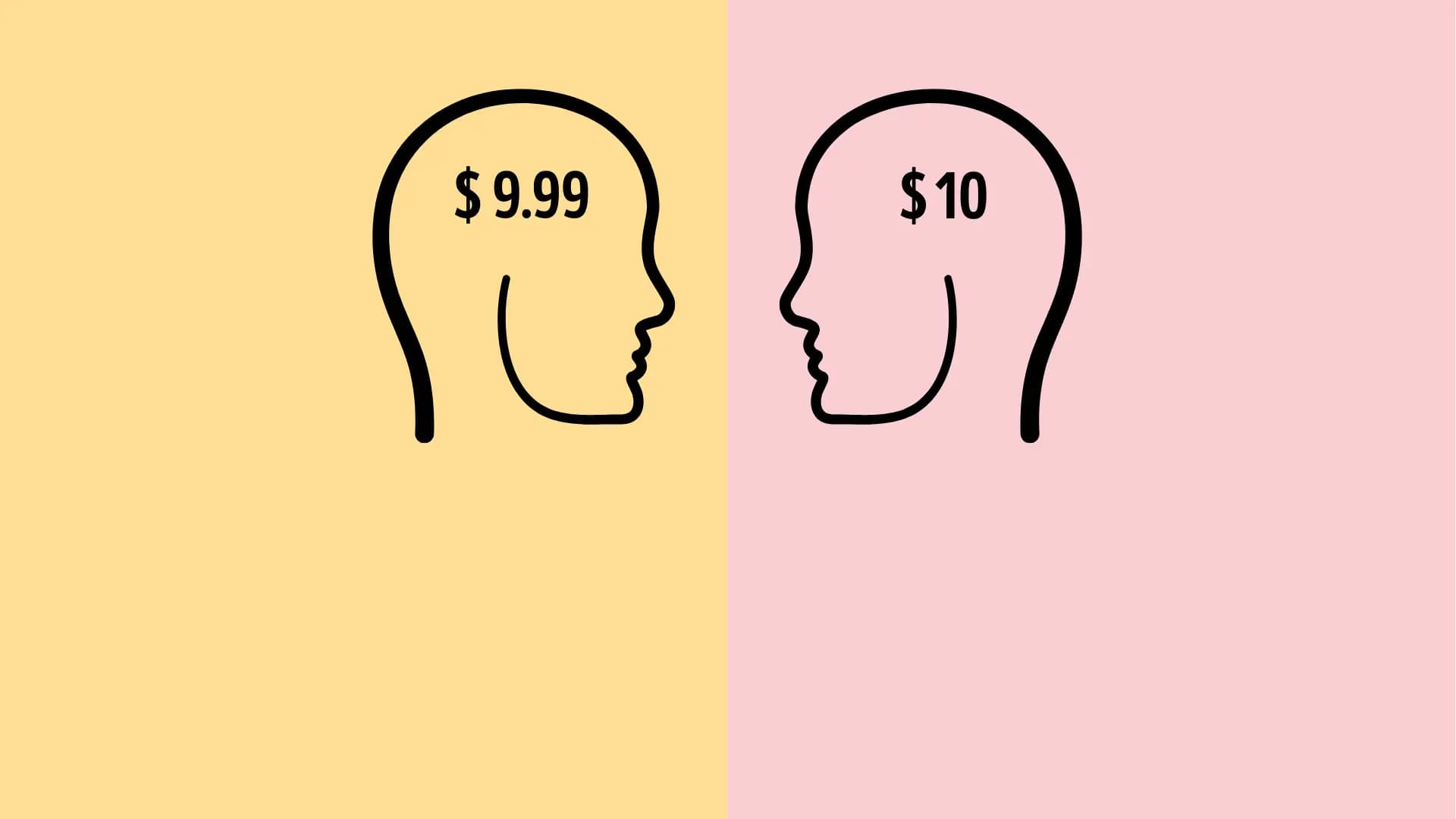
Why $9.99 Works: The Psychology of Charm Pricing in Marketing


Let me ask you a question.
You're in a store. You pick up two products—both pretty much the same.
One is priced at $10.00.
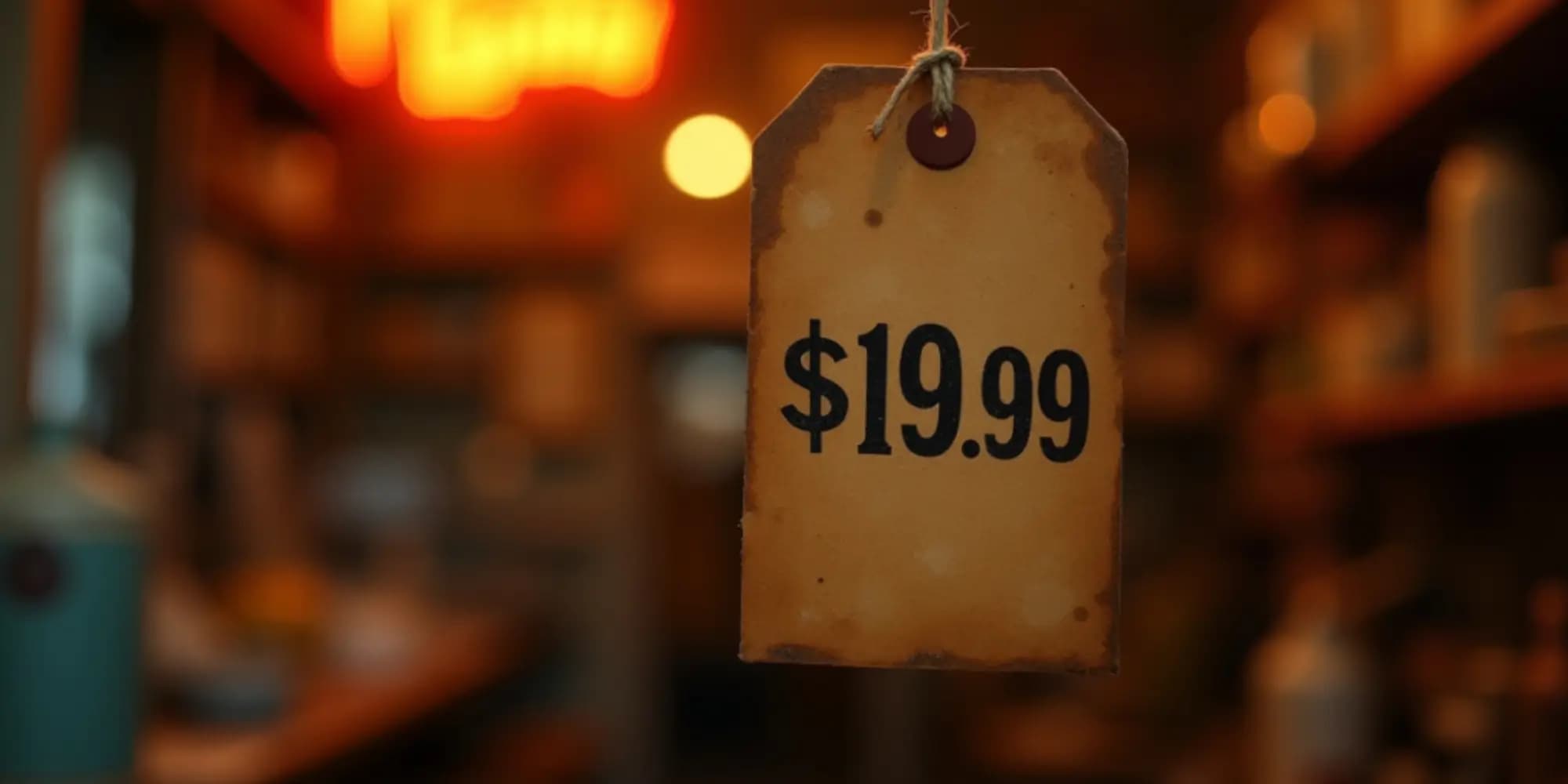
The other is $9.99.
You know it’s just a one-cent difference. But your brain tells you that $9.99 is cheaper. It feels like a deal.
That little feeling? That’s charm pricing at work.
Also called psychological pricing or the left-digit effect, this strategy is one of the most powerful—and widely used—pricing tactics in the world.
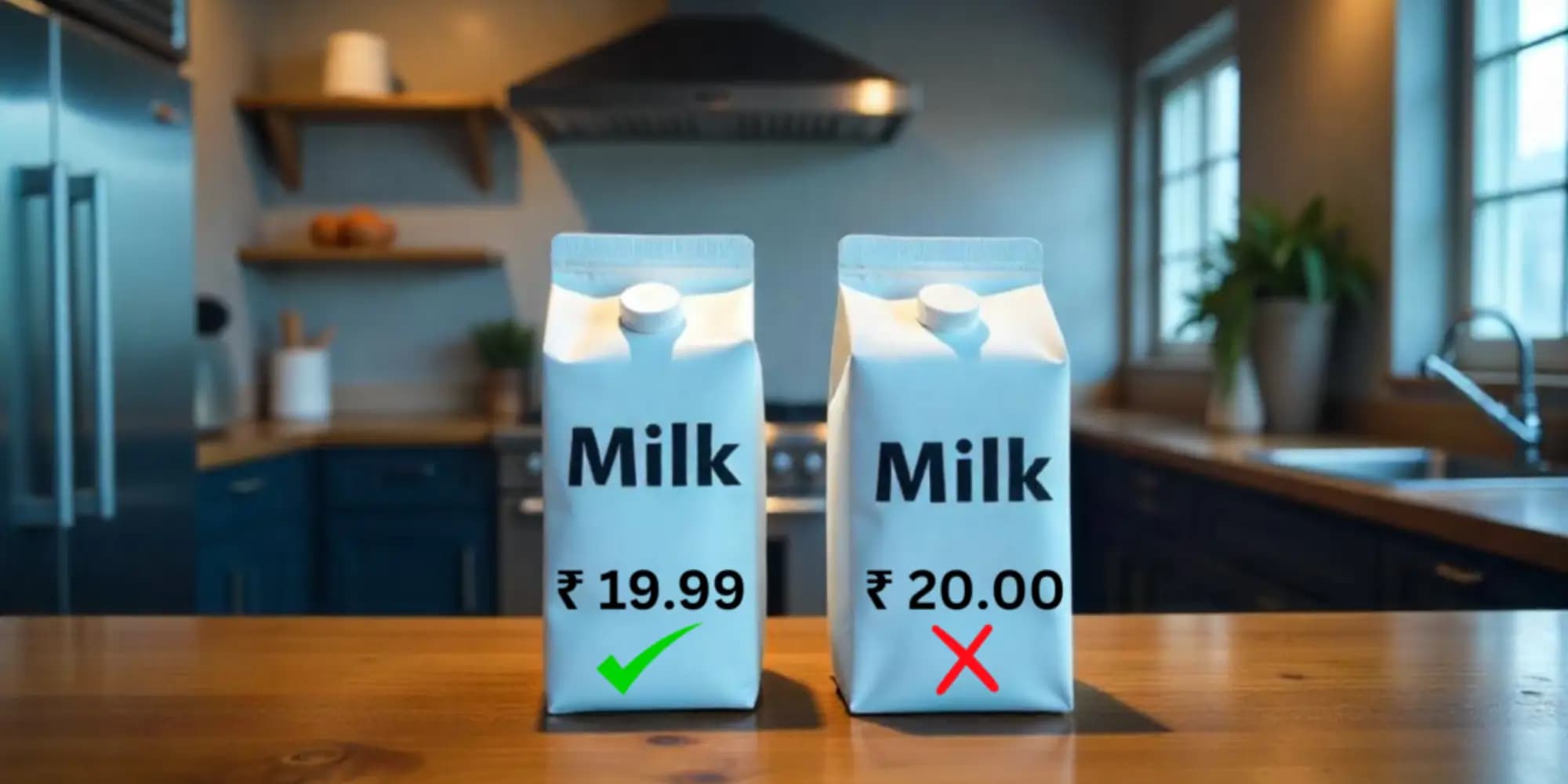
🧠 So, What’s Actually Happening in Your Brain?
Our brains read numbers from left to right.
So when we see $9.99, we process it closer to nine than to ten—even though it’s just one cent away.
That one-cent drop changes how we perceive value.
It whispers, “You’re getting a deal.”
It nudges our brain toward yes.
And that nudge? It’s worth billions.
🔍 The Obvious (But Still Useful) Learnings
-
Left-digit bias: We unconsciously anchor to the first number we see.
-
Feels like a discount: Even a one-cent drop feels emotionally significant.
-
Retail standard: 60–95% of global retail prices end in .99 or .95.
If you’ve shopped literally anywhere, you’ve seen this in action.
What Most People Miss About Charm Pricing
Here’s where it gets interesting. Charm pricing isn’t just about feeling cheap. It’s a language.
1. Precision = Intentionality
A price like $3.97 or $14.88 feels thoughtful—like it was calculated with purpose.
Walmart uses this all the time. So does Amazon.
2. Luxury Brands Avoid It
Look at high-end brands.
Rolex? No charm pricing.
Why? Because charm pricing feels like salesy.
That’s why high-end brands skip charm pricing—to signal quality, not bargain.
3. It Works Differently Online vs. Offline
Offline, like in physical stores, where gut decisions dominate. Charm pricing is more effective.
Online, where comparison is easy, round pricing can perform better—it feels cleaner and more trustworthy.
🧪 Studies That Prove It Works
-
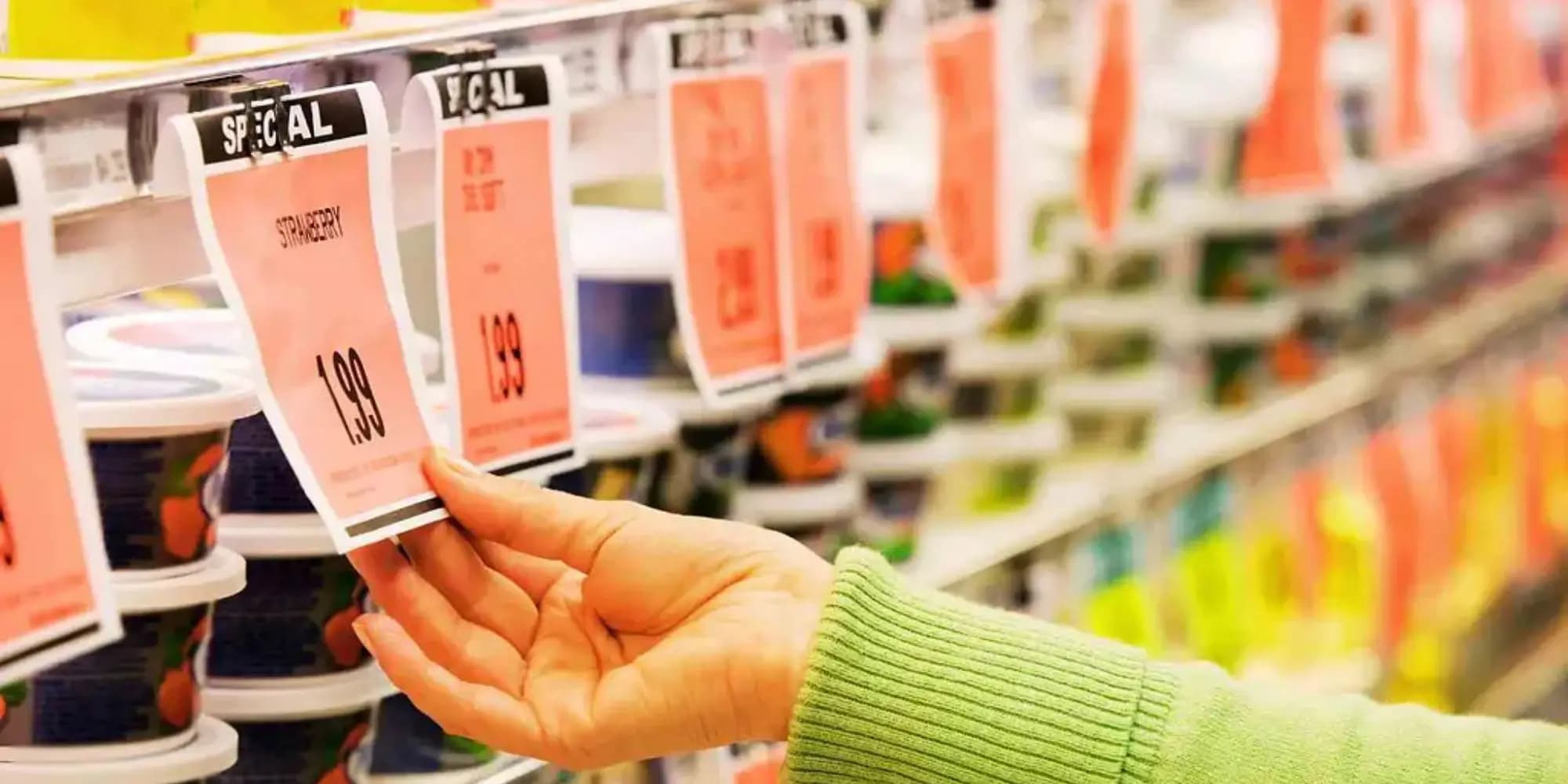
A study in Quantitative Marketing & Economics found that items priced at $39 sold better than the same item at $34 or $40.
-
MIT & University of Chicago researchers showed that $49 outperformed $44 and $45—even though it was more expensive.
-
Walmart's use of .88 and .97 signals clearance or custom discounts—and it works.
Brands That Nail Charm Pricing
| Brand | Strategy | Impact |
|---|---|---|
| Apple | Uses $999, $1999 | Feels premium and strategic |
| Amazon | Uses $12.49, $19.97 | Subtle psychological edge |
| Old Navy | .99, .97, .88 everywhere | Creates perception of constant deals |
| McDonald’s | Happy Meals at $4.99 | Bundled pricing + emotional reward |
💡 So, What Should You Be Asking Yourself?
-
Does $4.99 feel cheaper than $5.00 to your customers?
-
Should your high-ticket product use round pricing to signal value?
-
Is your price saying “on sale” when you want it to say “premium”?
Your numbers speak—before your product ever gets a chance to.
Final Takeaway
Charm pricing isn’t just a clever trick—it’s behavioral economics in action.
Used right, it helps you close sales with emotion and logic.
However, if misused, it can diminish your brand’s perceived value.
It’s not about .99 vs .00.
It’s about understanding what your price says about your positioning.
If you’re unsure whether your pricing truly reflects your brand perception, we can help.
