

Most Websites Don’t Have a Traffic Problem. They Have a Clarity Problem.

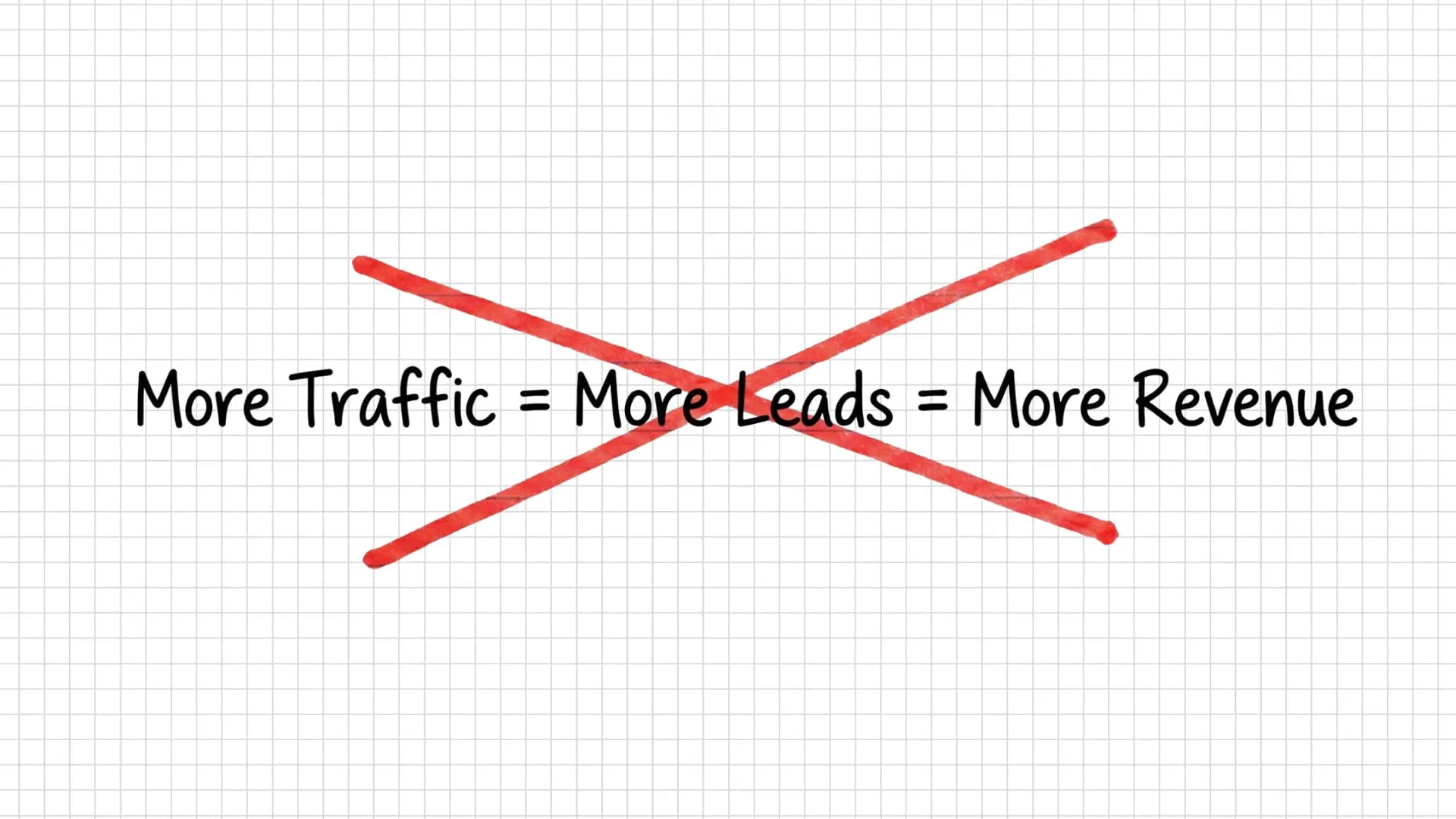
In nearly every first conversation we have with a new client, there's a familiar starting point: “We need more traffic.” On the surface, this request makes sense—more visitors should lead to more leads, and more leads should generate more revenue. It seems like a straightforward equation, at least in theory.
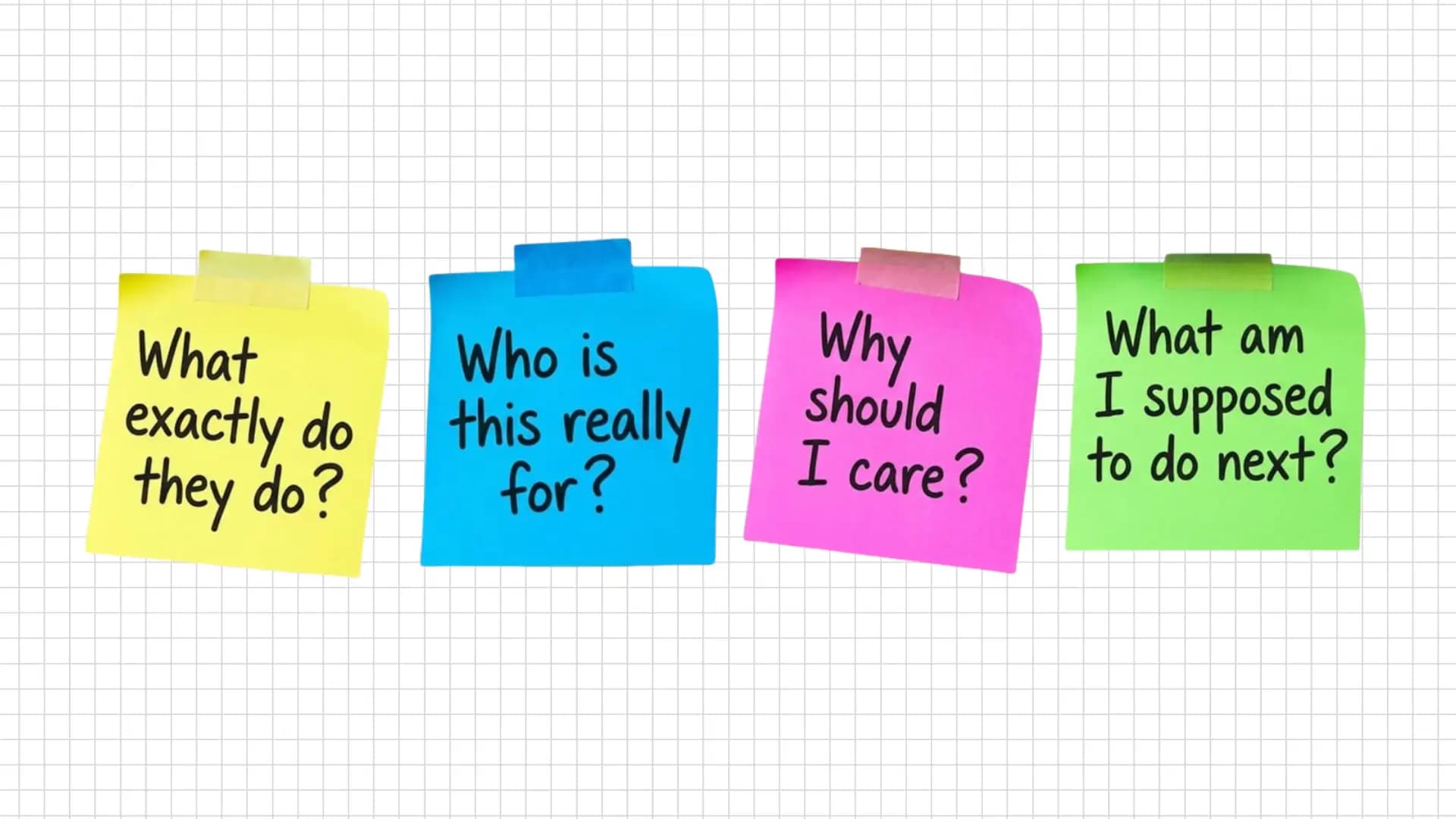
However, the next step is always the same: we open their website. Within the first 10 seconds, something feels off. It’s not that the site is broken or outdated; rather, it lacks clarity. We find ourselves asking questions that a visitor should never have to think about—what exactly do they do, who is this really for, why should I care, and what am I supposed to do next? That’s the moment, the conversation shifts, because at that point, it’s no longer about traffic. It’s about clarity.
The challenge lies in the fact that many businesses are unaware of this issue. From the inside, everything seems obvious. You understand your product, your audience, and your value proposition. But your users don’t live inside your business. They’re arriving cold—often from an ad, a search result, or a LinkedIn post—and trying to make a decision in seconds.
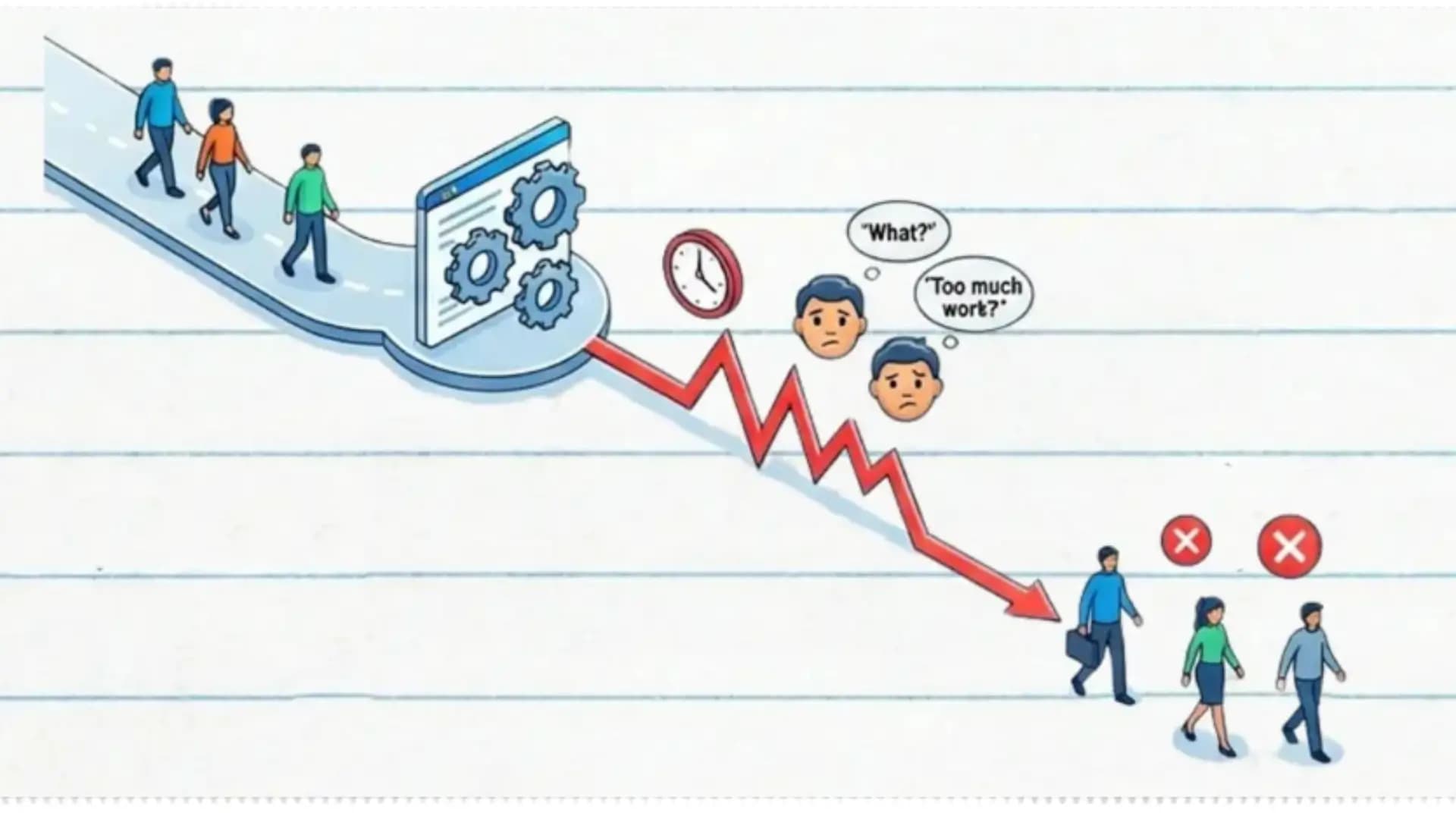
When your message isn’t immediately clear, something subtle occurs: users pause. They reread the content and try to piece everything together. Eventually, they leave—not because they aren’t interested, but because the experience asked them to do too much work. In behavioral terms, every extra second of thinking introduces friction—and friction is where intent quietly dies.
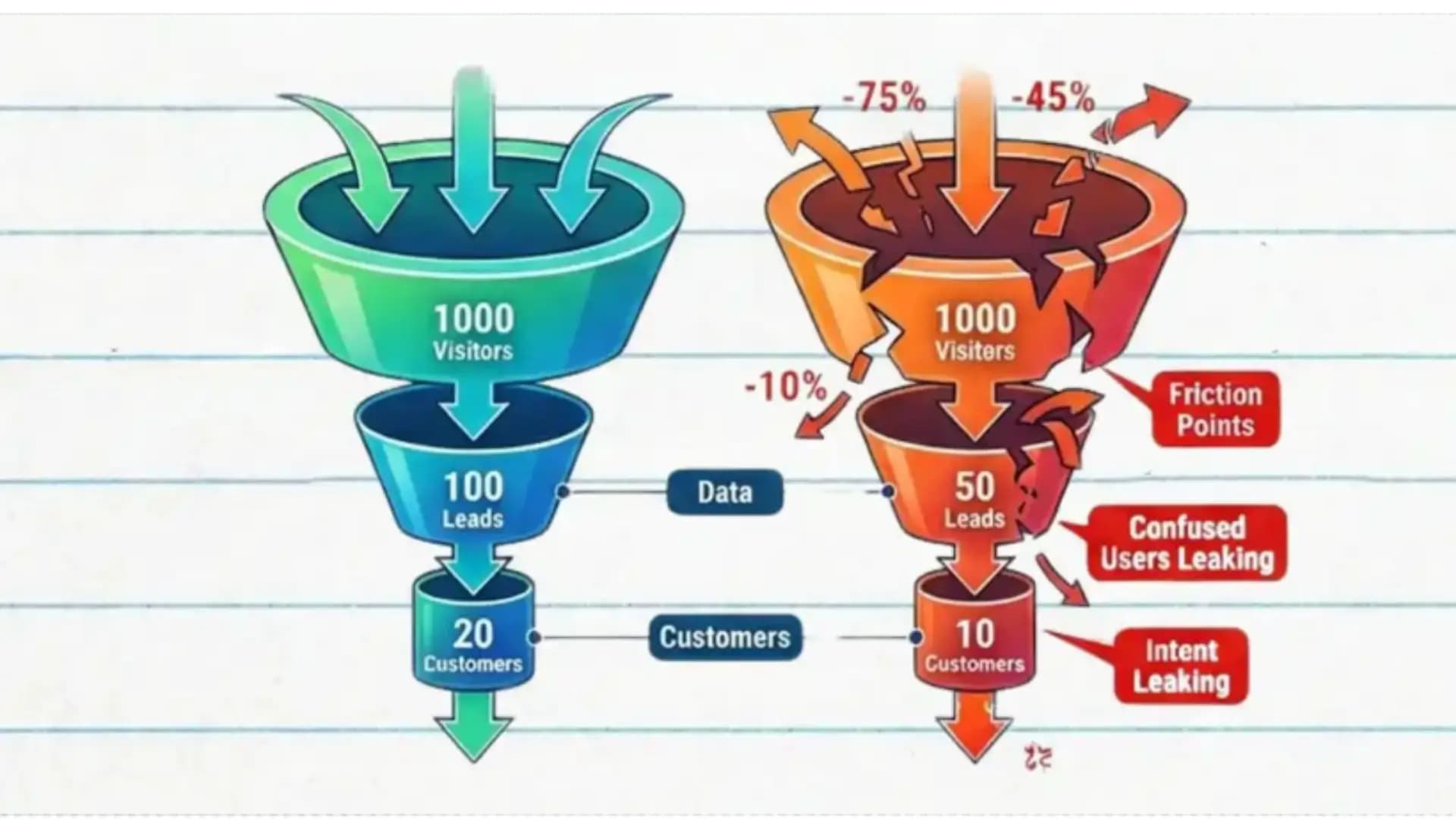
If you were to visualize what’s happening, it would look something like this:
Traffic Funnel Reality (What Most Teams Expect vs. What Actually Happens):
Expected:
1000 Visitors → 100 Leads → 20 Customers
Reality with Poor Clarity:
1000 Visitors → 600 Confused → 300 Bounce → 80 Consider → 20 Leads → 5 Customers
The drop-off doesn’t happen at the bottom of the funnel; it occurs at the top—right when clarity is missing.
We’ve seen companies invest heavily in SEO strategies that take months to build, paid campaigns that drive highly targeted traffic, and social content that consistently attracts new visitors. On the surface, everything seems to be working: traffic is up, impressions are growing, and clicks are coming in. However, conversions remain flat—or sometimes even decline. That’s because traffic doesn’t fix confusion; it amplifies it. If your website lacks clarity, adding more visitors does not foster growth—it simply increases the number of drop-offs.
Consider a simple example. A B2B SaaS company we reviewed had a beautifully designed homepage with animations, product screenshots, and a strong brand presence. But their headline read: “Transforming Digital Experiences Through Scalable Innovation.” While it sounded impressive, it communicated very little. Within seconds, a visitor had to work to understand whether this was a product, a service, or a platform.
In contrast to that version we tested: “Project management software built for distributed engineering teams.” Same company. Same product. One creates curiosity. The other provides clarity. The difference in engagement wasn’t subtle—it was immediate.
Many teams often make the mistake of thinking that a redesign will solve their problems—new visuals, a fresh layout, or updated branding. However, clarity usually doesn’t come from adding more elements but from simplifying the message. Over time, we have found it beneficial to think about clarity through a simple framework:
The C.L.E.A.R. Framework
- C — Context: Do users instantly understand what this is?
- L — Language: Are you using words your audience actually uses?
- E — Emphasis: Is the most important message visually dominant?
- A — Action: Is the next step obvious and frictionless?
- R — Reduction: What can be removed without losing meaning?
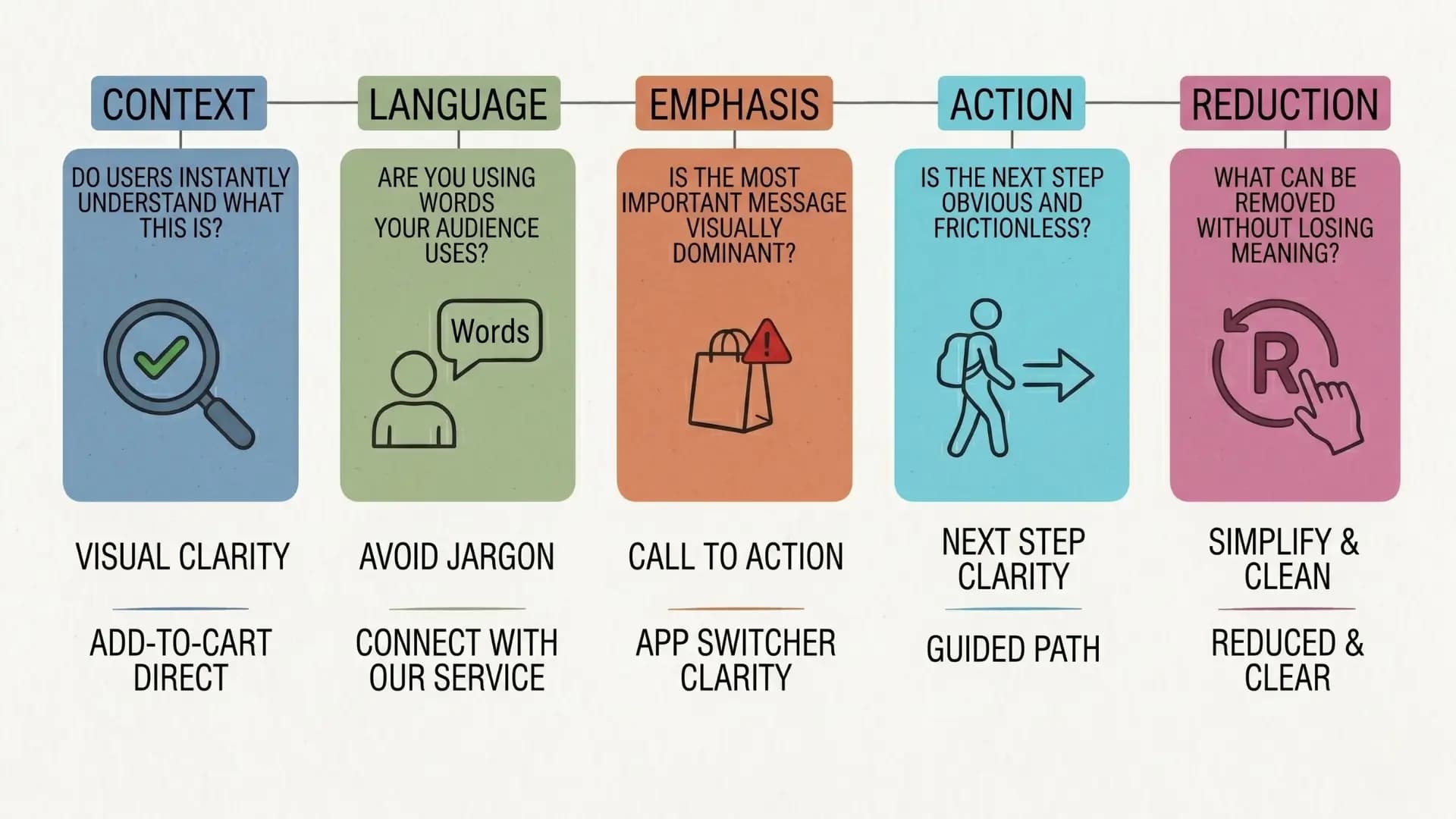
Most websites don’t fail due to a lack of content; they fail because they lack prioritization. We’ve worked with clients who had beautifully designed websites that still underperformed because they were trying to say five things at once—serving multiple audiences, multiple services, and multiple messages simultaneously. At the same time, we’ve seen simpler, more focused experiences outperform them by guiding users instead of overwhelming them. In one case, simply removing three competing CTAs and aligning the page around a single action significantly increased conversions—by double digits—without new traffic or campaigns. It was simply about achieving clarity.
The best-performing websites don’t try to impress—they try to reduce thinking. They don’t just present information; they structure decisions. They answer questions before they’re asked and create a natural sense of momentum. Instead of vague headlines like “Innovative Solutions for Modern Businesses,” which could apply to almost anyone, they clearly state what they do and who it’s for. Rather than showcasing every possible service upfront, they guide users along a clear path. Instead of multiple competing calls to action, they make the next step obvious and easy. It’s not about being clever—it’s about being understood instantly.
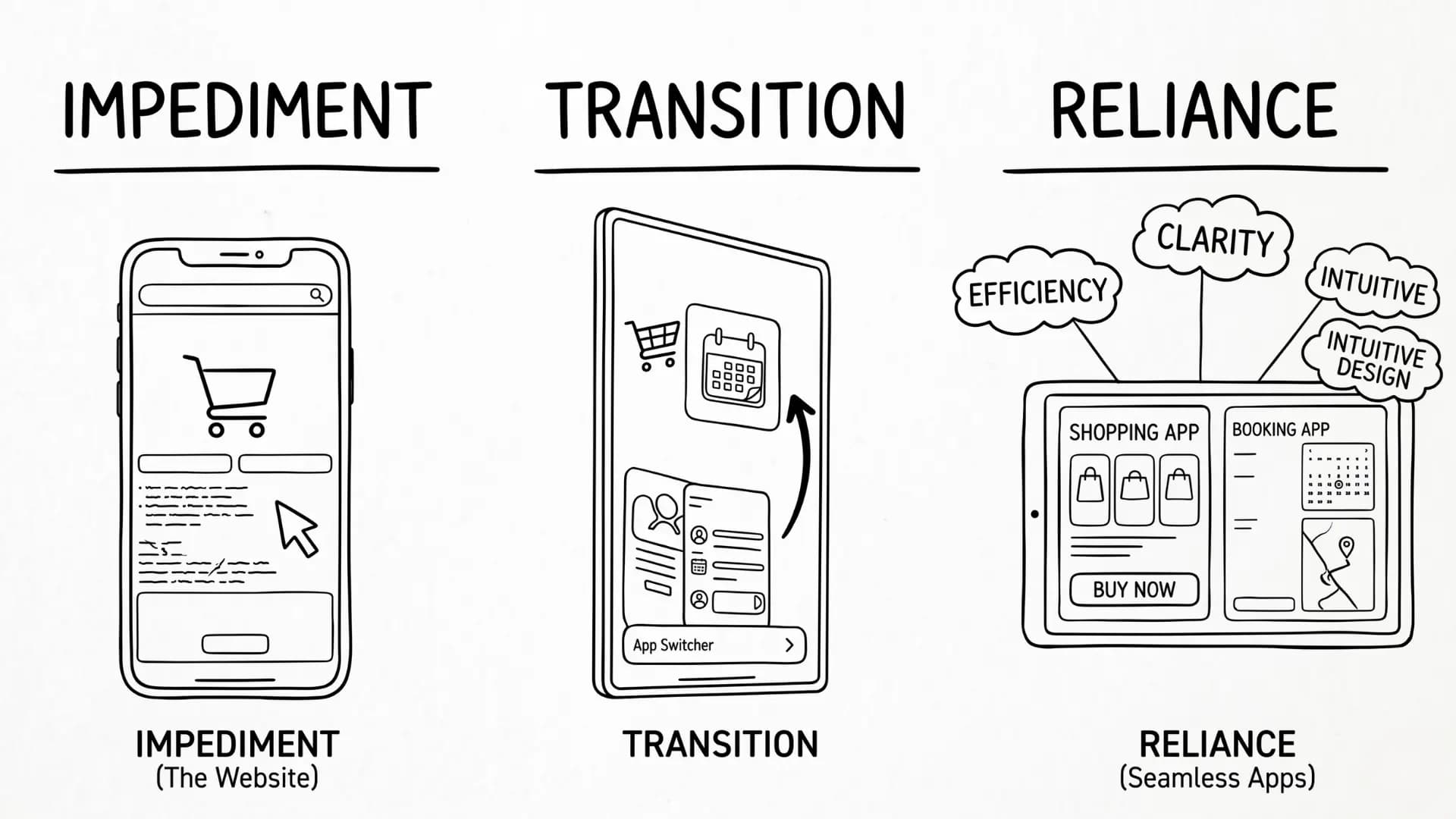
This matters more than ever today. Attention spans are shorter, expectations are higher, and users are constantly comparing your experience to the best digital interactions they’ve had elsewhere. Whether it’s ordering from Amazon, booking through Airbnb, or using a simple mobile app, users are conditioned to expect clarity without effort. When your website doesn’t meet that standard, they don’t analyze why; they just move on.
One key takeaway we’ve learned across various industries is that growth doesn’t start by bringing in more people; it starts when what they see makes sense. Before investing in more traffic, ask a simple question: if the right person lands on your website today, will they know exactly what to do next? If the answer is no, then more traffic won’t solve the problem—it will only highlight it more quickly.

At Heigh10, we begin with clarity. We focus not on campaigns or channels but on making sure the message is right. Because once clarity is established, everything else performs the way it’s designed to.
