
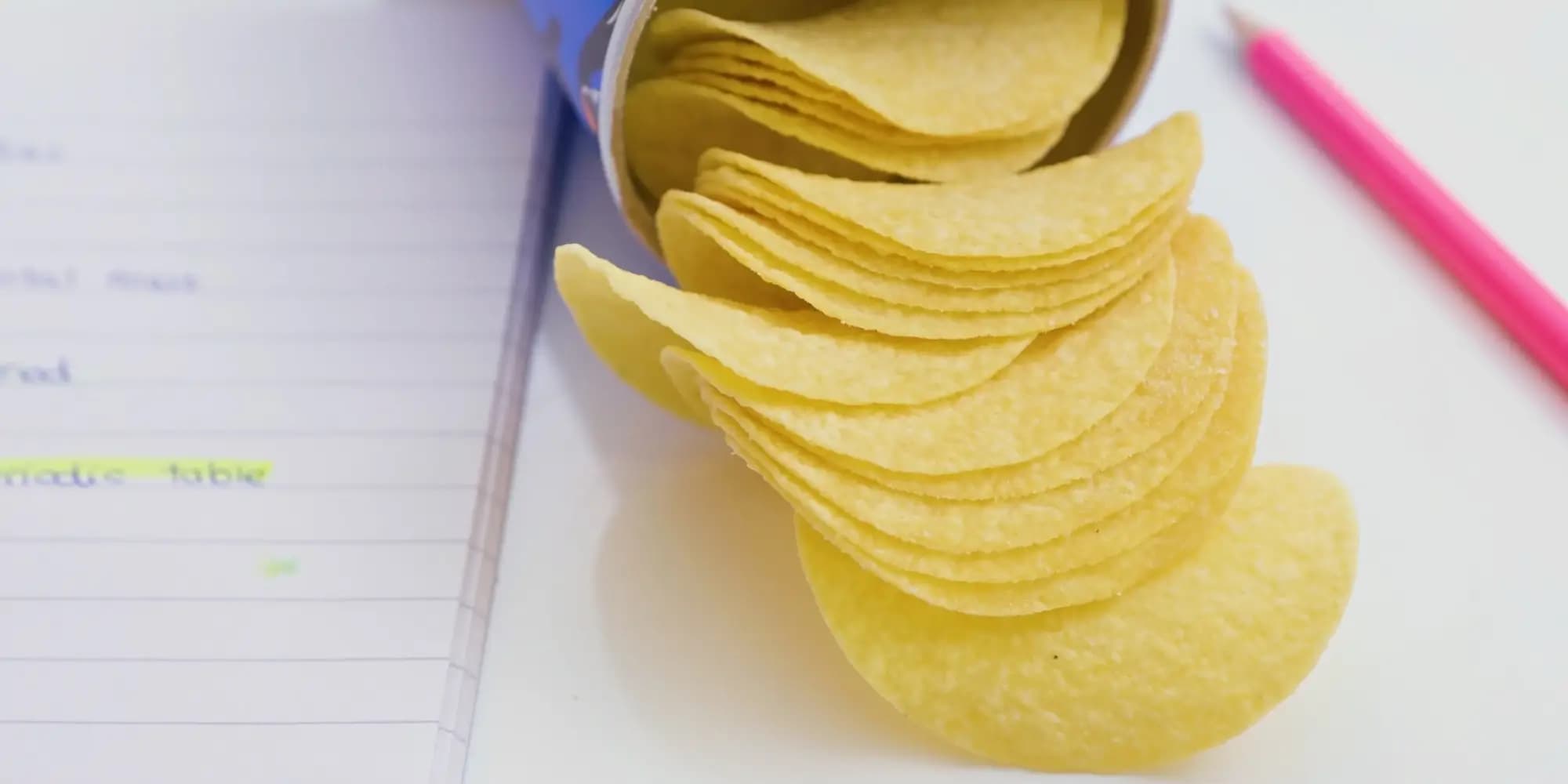
When a Can Became a Campaign: The Pringles Branding Masterpiece
What if I told you that one of the world’s most iconic snacks wasn’t even allowed to call itself what it wanted to be?
A legal technicality, a scientist’s obsession, and a cardboard tube ended up creating one of the strongest brand identities in the world?
That’s the story of Pringles — a snack that turned a “no” into a billion-dollar “pop.”
Let’s roll back to the 1960s.
The snack shelves were full of chaos. Greasy bags, crushed chips, and products that seemed to be half air and half disappointment dominated the aisles.
Procter & Gamble (P&G) — yes, the same company known for Tide and Pampers — noticed something that many brands overlooked: a frustration gap.
They understood that consumers didn’t just want chips; they wanted consistency, clean hands, a neat snack, and a better overall experience.
That’s where the magic began.
They brought in Fredric Baur, a food scientist with a mind wired for structure. He didn’t just make a better chip; he reinvented the concept of chips altogether.
Baur developed a new type of snack — potato crisps made from flakes, perfectly stacked inside a futuristic cardboard tube that looked more like a spaceship than a snack packet.
If you’ve ever worked on packaging design (like we do at Heigh10 Branding Studio),you know this was more than just about storage — it was about positioning.
When the law said no, branding said yes.
Here’s where it gets interesting.
The FDA stepped in and said, “Hold up. These aren’t real potato chips.”
Legally, they couldn’t even use the word “chip” on the label because the product wasn’t made from whole potatoes.
Now, most companies would’ve gone defensive, insisting, “Of course they’re chips!”
But not P&G.
They leaned in.
They said, “Fine. They’re not chips. They’re potato crisps.”
That single move flipped the game.
They were no longer competing in the chip aisle anymore — they created an entirely new category alongside it.
This is what we call branding judo—the art of transforming a constraint into your core narrative.
At Heigh10, we call this category reframing — the ability to shift your product narrative so the competition suddenly becomes irrelevant.
We’ve observed this approach succeed time and again for our clients — from lifestyle brands to tech platforms — when they stop trying to fit in and start carving out their own space.
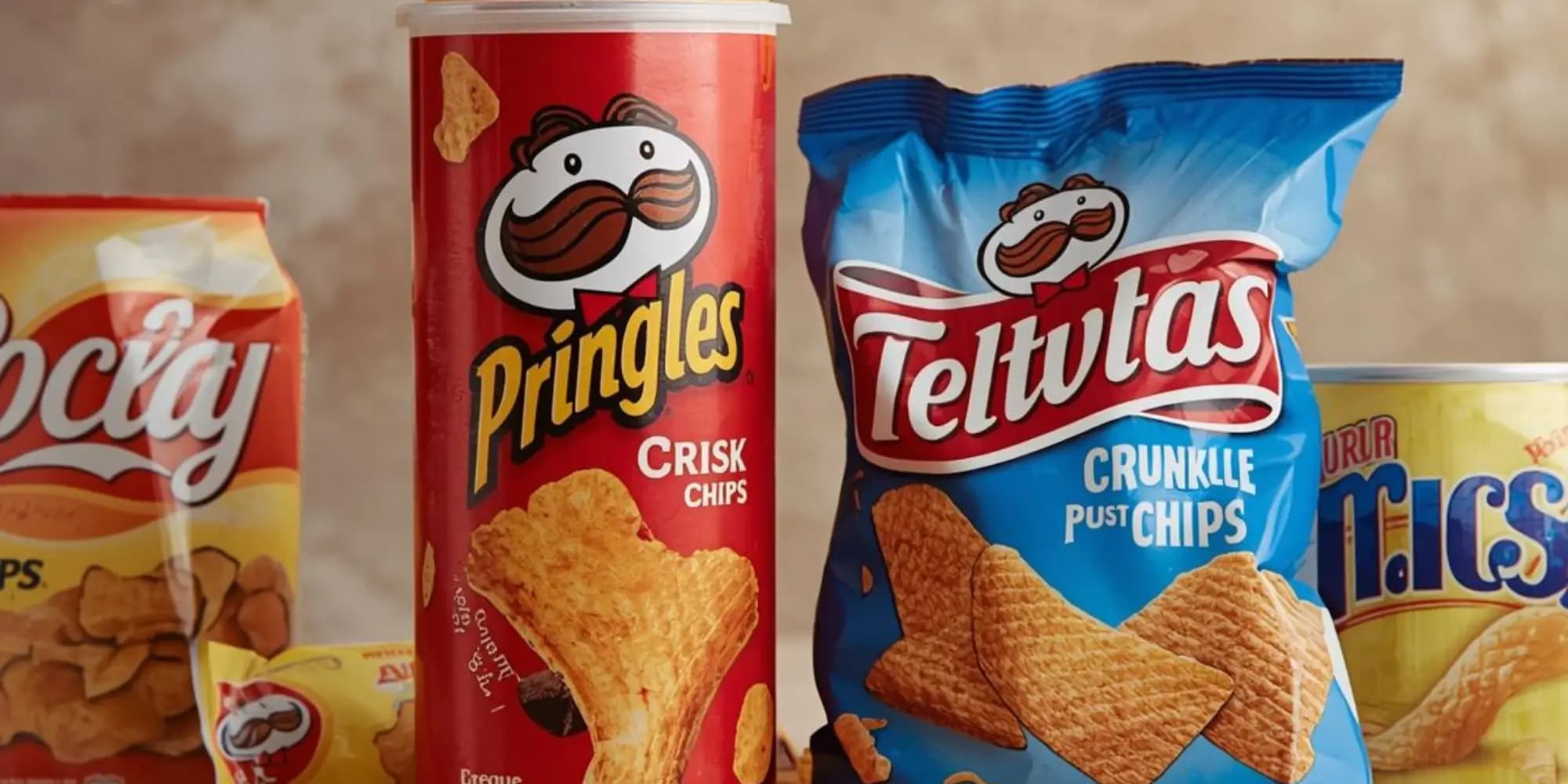
The tube that spoke louder than words.
Let's take a moment to reflect on this.
When you picture Pringles, what’s the first image that comes to mind?
It’s not crisp.
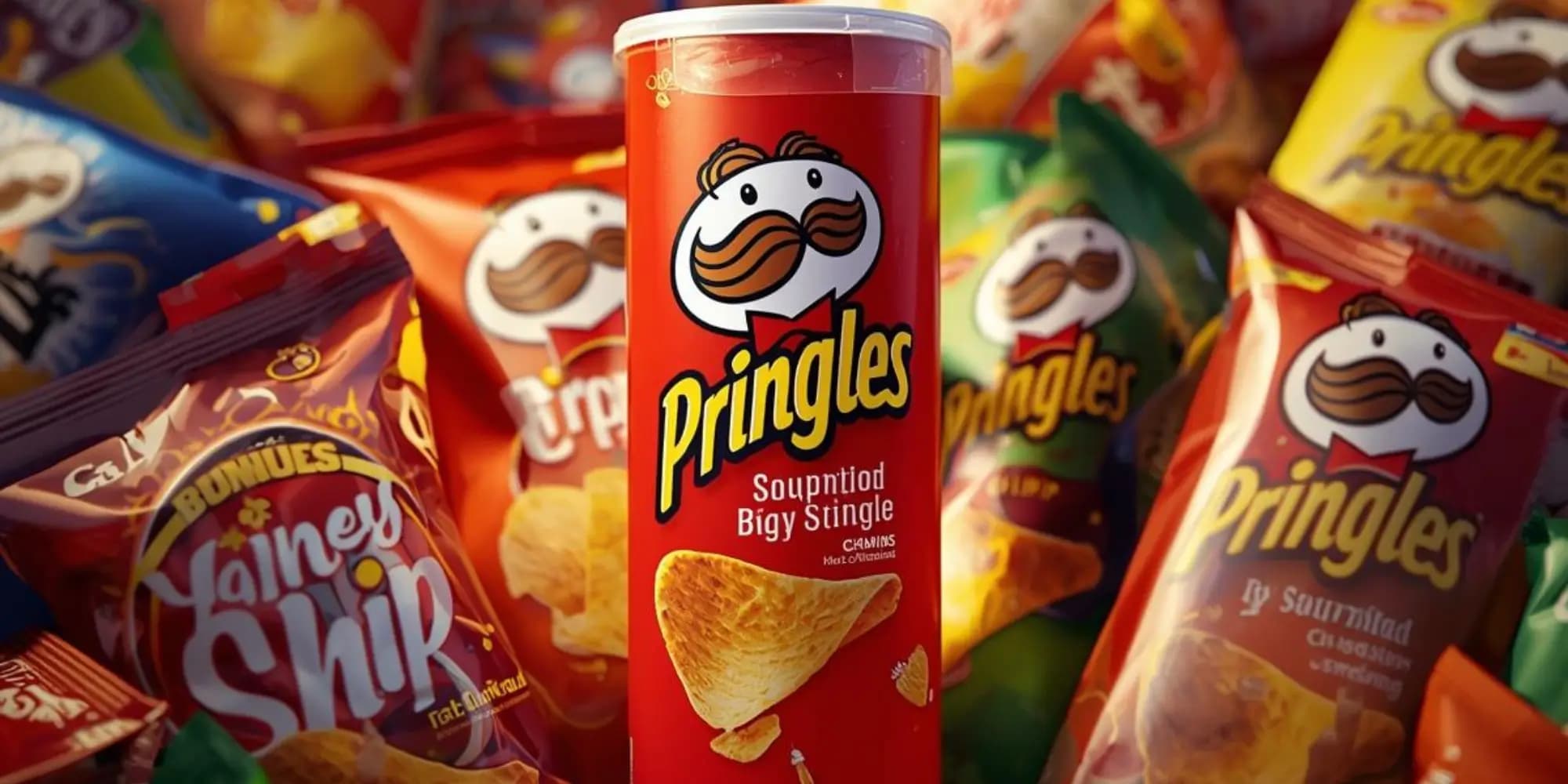
It’s the can.
That tube wasn’t just packaging. It was storytelling.
It conveyed that the snack inside was modern, clean, and a bit futuristic.
It stood upright on shelves crowded with noisy, flimsy foil bags.
Even the sound of opening the can became part of the brand identity — that sharp pop as you open it.
That’s not just sensory satisfaction. It's a ritual.
This is something we often help brands design intentionally during our Brand Experience workshops.
And then came the slogan that solidified it all:
“Once you pop, the fun doesn't stop.”
Catchy? Absolutely.
But it's more than that; it reframed the entire consumption experience.
You weren’t eating a snack — you were starting a moment.
That's the essence of a great brand strategy:. it finds emotion in the mundane.
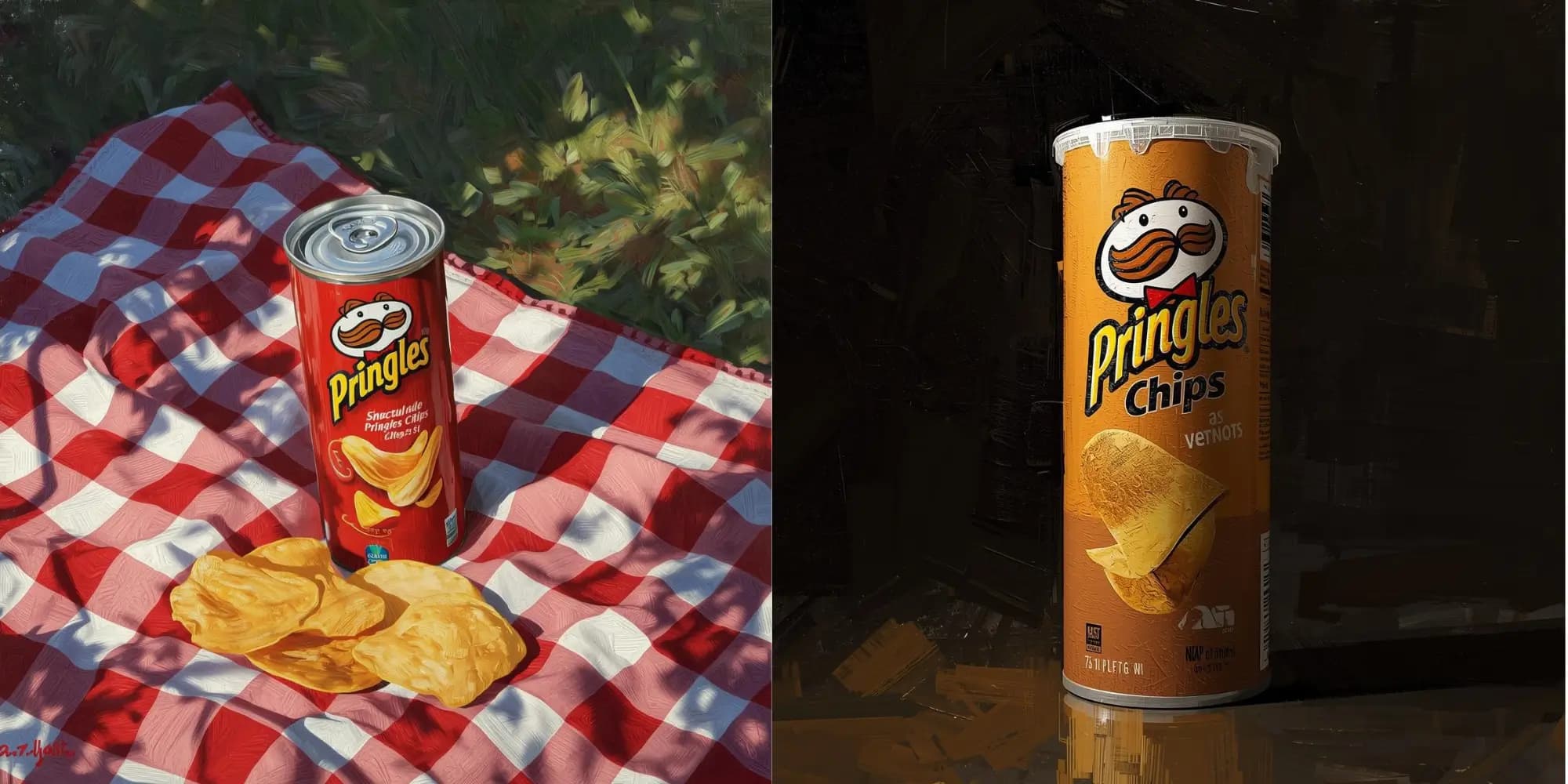
From outsider to icon.
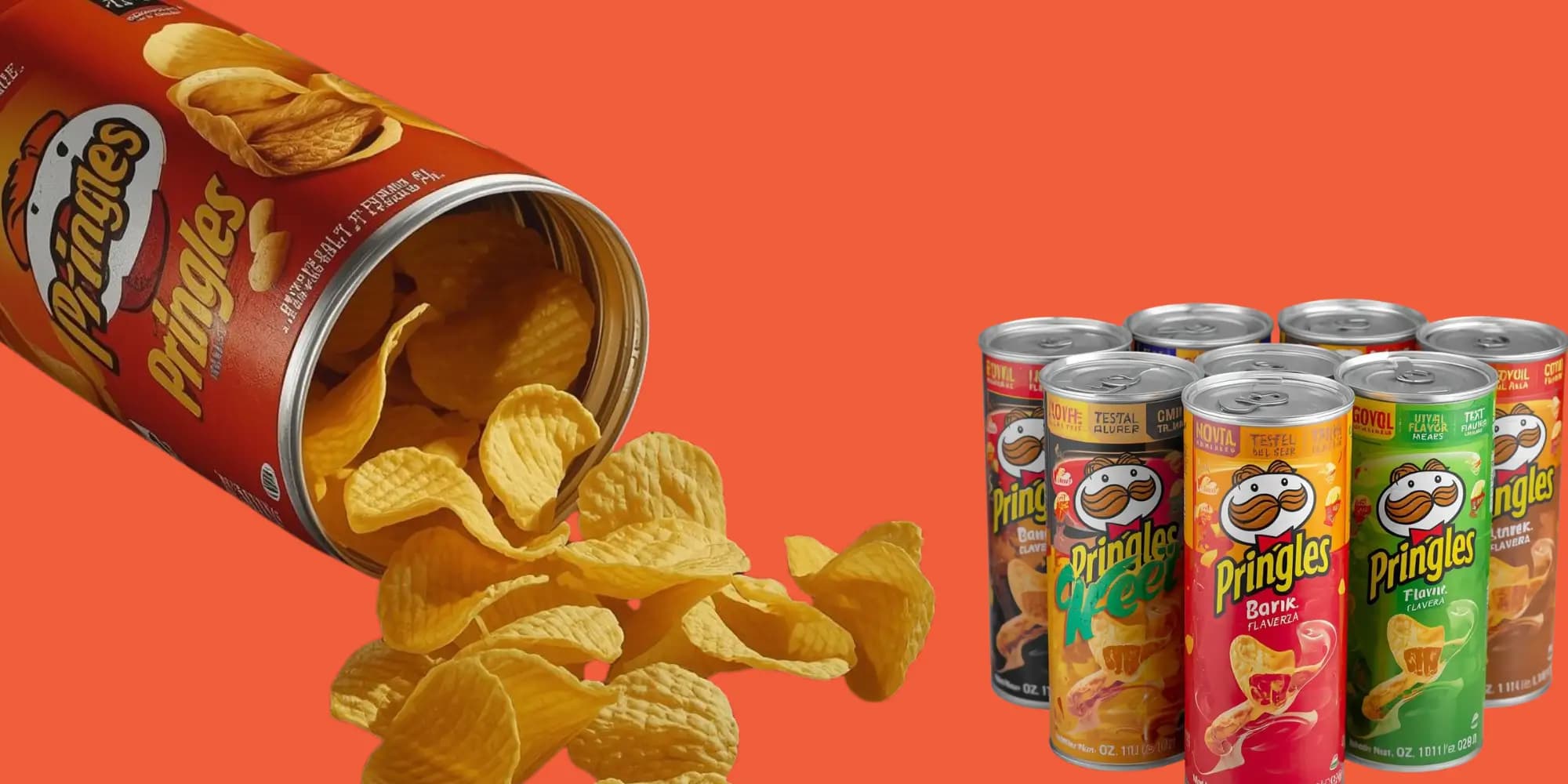
Fast forward to today — Pringles is sold in over 140 countries and generates more than $1.5 billion in annual sales.
A product that started off as “not a real chip” became one of the most recognizable snack brands on the planet.
Why is that?
Because every touchpoint — from shape to sound to slogan —conveys one consistent story:
Pringles is not just food; it's fun, precision, and shareability — stacked into a can.
It’s the perfect example of how design and messaging aren’t separate disciplines.
They’re two halves of one brand experience.
At Heigh10, we’ve seen this principle in every successful project — from web redesigns that empower users or campaigns that make customers feel seen.
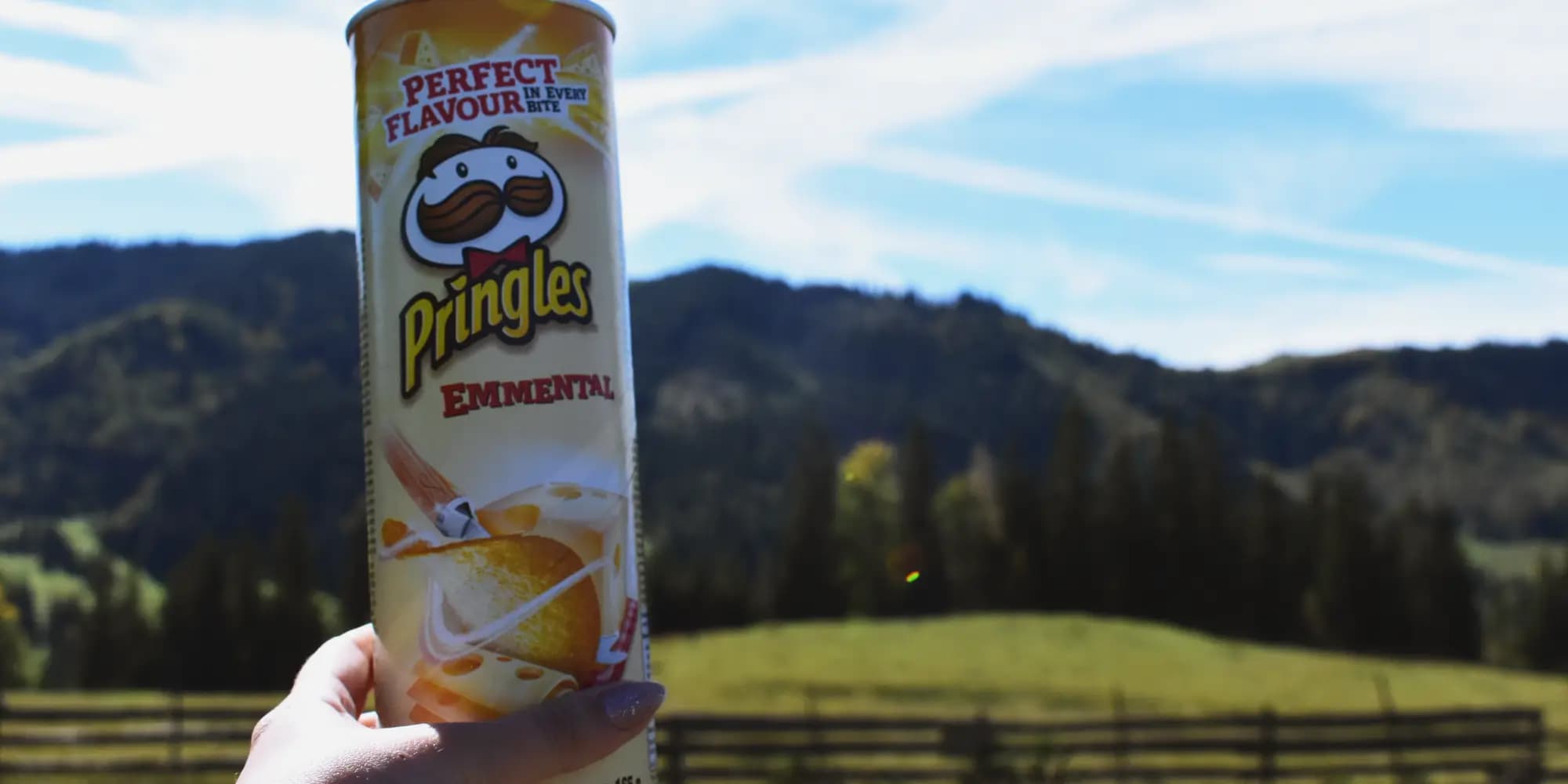
What your brand can learn from this.
If you’re building or scaling your brand, ask yourself:
- What if your weakness could be your story?
- What ritual can your audience associate only with you?
- Does your packaging, website, or interface serve only a functional purpose, or does it truly reflect your brand’s identity?
- Are you fighting a label that you could instead own and redefine?
That’s what Pringles did — and it’s what timeless brands keep doing.
Because sometimes, packaging is the strategy.

Let’s pop your next big idea.
At Heigh10, we value stories like this because they reinforce our belief:
Brands aren’t built solely through advertisements — they’re built through experience.
If you’re ready to turn your “can’t” into a campaign, your “constraint” into creativity — let’s talk.
👋 Get in touch or check out our case studies to see how we’ve helped others stand out.
Because maybe your next big brand idea is already sitting on your desk — waiting for its pop.
