Henry Ford: The Man Who Invented the Weekend
We all know Henry Ford as the person who revolutionized transportation by putting the world on wheels.
However, here’s something few realize — he also put the weekend on the calendar.
That’s right.
In 1926, when most people worked six days a week, Ford made a radical move: he introduced the five-day, 40-hour workweek.
At first, it looked like compassion.
In reality, it was a strategic decision as empathy.
The Genius of Giving Time
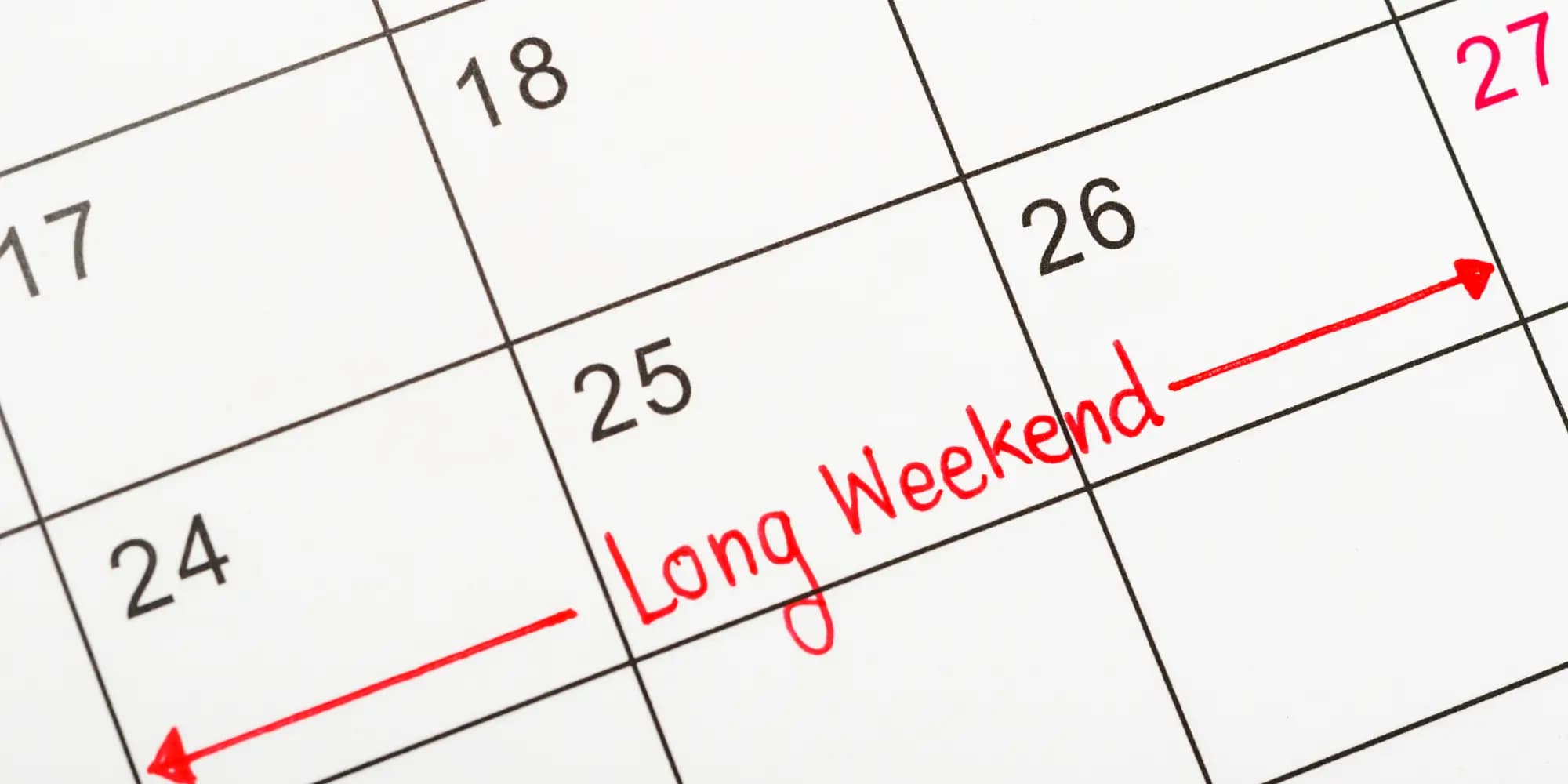
Ford didn’t just shorten hours; he provided people something far more valuable — time.
When workers suddenly had two full days off, how did they choose to spend that time?
They traveled. They explored. They drove.
Those extra hours on Saturday and Sunday didn’t just refresh workers — they fueled an entire driving culture.
More weekends led to more road trips, gas stations, motels, and car sales.
This wasn’t labor reform; it was lifestyle engineering.
Ford wasn’t just selling cars — he was selling freedom.
At Heigh10 Branding Studio, we often talk about this shift — when a product evolves from being just a product to becoming a ritual.
That’s when brands truly break through.
📊 When Lifestyle Becomes Marketing
The results? History speaks for itself.
- Car ownership skyrocketed — from 8 million in 1920 to 23 million by 1930.
- Productivity soared — because a well-rested worker is a better worker.
- Culture shifted — by the 1930s, weekend road trips became a national tradition.
Henry Ford didn’t just build an industry; he built a behavior loop — work hard → rest → drive → repeat.
If you’ve ever gone on a Sunday drive or planned a long weekend getaway, you are experiencing the legacy of Ford’s marketing.
This is precisely the kind of behavioral design we help brands uncover at Heigh10.
Because every brand has the potential to shape habits — not just sell products.
🧠 Ford’s Marketing Masterstroke
Ford’s brilliance wasn’t in making engines hum; it was in transforming culture.
He redefined cars from mere machines into symbols of mobility.
From tools into representations of freedom.
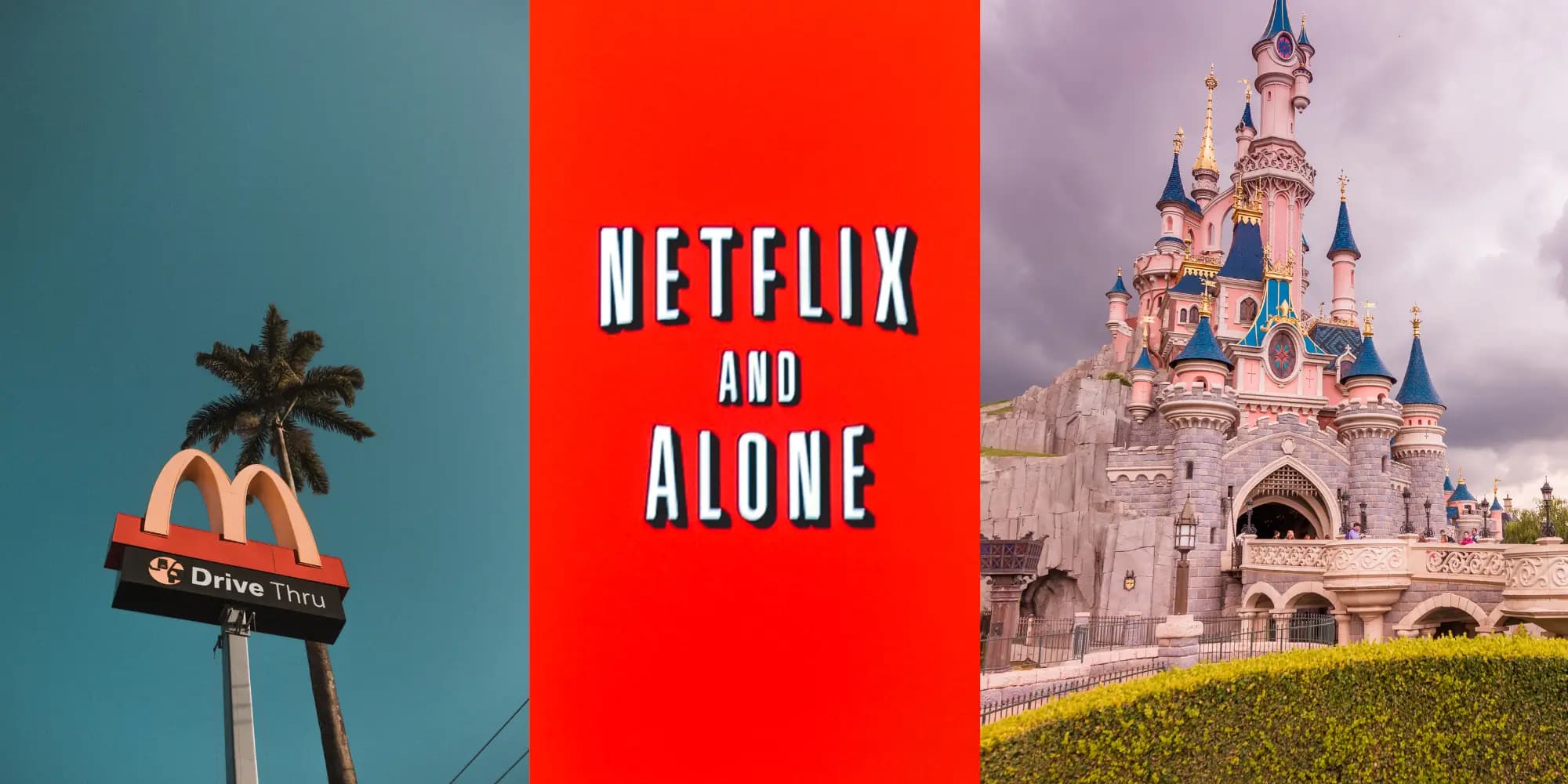
And decades later, other great marketers borrowed the same playbook:
- Disneyland (1955) — Walt Disney didn’t sell tickets; he sold family rituals. Today, over 150 million visitors each year create lasting memories at Disney.
- McDonald’s (1960s) — Ray Kroc made weekend meals into a family tradition, attracting 69 million daily visitors.
- Netflix (2010s) — This platform converted downtime into 'stream time,' giving rise to a new weekend habit.
At Heigh10, we refer to this phenomenon as the Ritual Effect — when a brand stops merely seeking attention and instead claims a meaningful role in people's lives.
❓ So Here’s Your Brand Moment
Take a moment to reflect:
- Are you selling a product, or are you shaping how people live?
- What kind of “weekend” experience could you create for your audience—a cultural moment they associate exclusively with your brand?
- Can your marketing go beyond simply highlighting features to focus on forming habits?
Because that’s where the real magic happens — when your audience doesn’t just buy from you, they build you into their lives.
That’s what Ford did.
He didn’t sell Model Ts.
He sold mobility, adventure, and family time — and in the process, he invented the modern weekend.
💭 At Heigh10, This Is What We Build Every Day
Whether we’re helping a hospitality brand capture the essence of “Playtime Anytime” or assisting a fintech app in fostering “money mindfulness” as a habit, our work goes beyond simple messaging.
We design rituals, not just campaigns.
Because every strong brand creates its own unique version of a weekend—a special space in people’s lives that only it can fill.
So if you’re ready to create something that lasts beyond attention spans, let’s talk.
👉 Reach out to us or explore our latest case studies to see how we turn stories into lasting habits.